Cut Resistant Arm Sleeves – Forearm Protectors for Gardening, Work & Handling UK
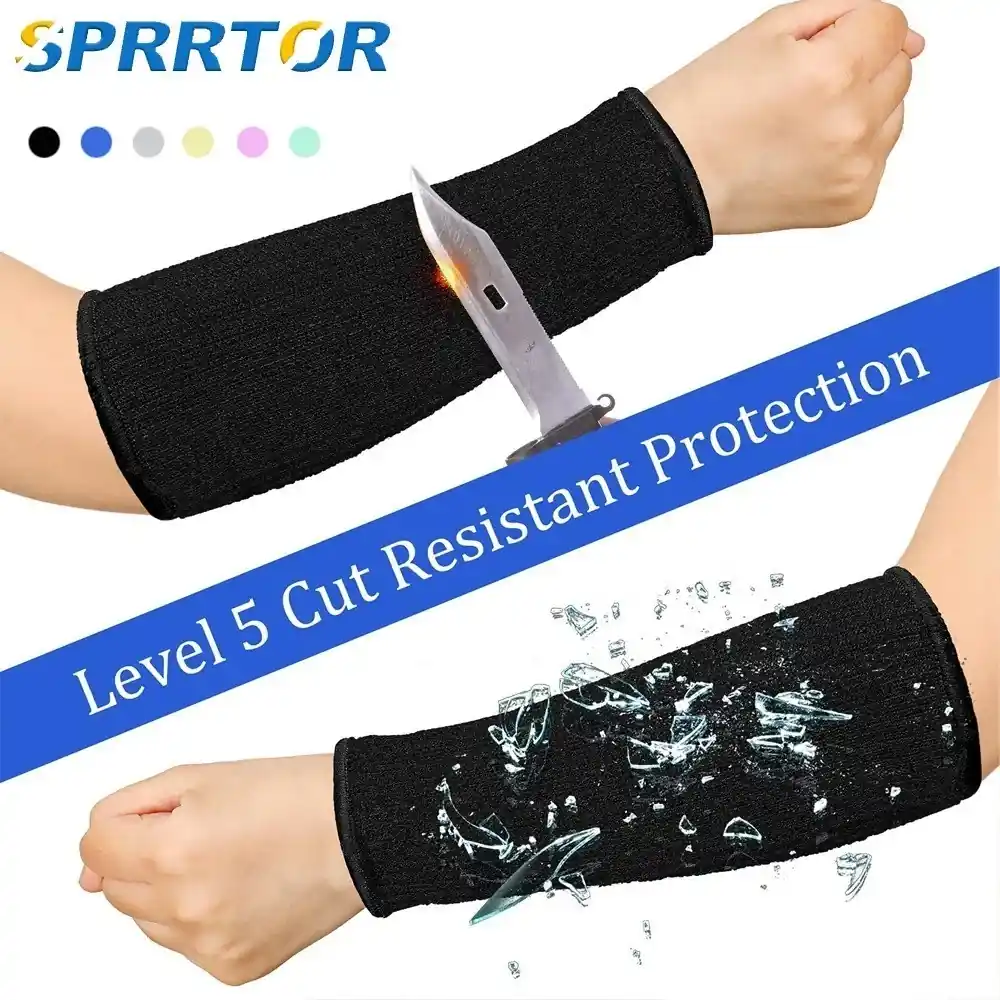
Protect your forearms during gardening, workshop tasks and general handling jobs with these Cut Resistant Arm Sleeves, designed to provide an additional protective layer against everyday cuts, scratches and abrasions.
The close-fitting sleeve design covers the lower arm while allowing the hands to remain free for gloves, tools and detailed work.
They can be useful for activities involving:
- Thorny plants
- Branches
- Rough materials
- Sheet edges
- Glass handling
- Workshop tasks
- General DIY
- Animal handling where additional scratch protection is helpful
Professional arm protectors are commonly worn alongside suitable protective gloves to extend protection beyond the wrist and across the forearm. Current UK products include Kevlar, HPPE, nylon and other high-performance fibres depending on the required protection level.
Key Features
- Cut-resistant forearm sleeves
- Helps protect against cuts and scratches
- Provides additional lower-arm coverage
- Useful for gardening
- Ideal around thorny plants and branches
- Suitable for workshop tasks
- Useful for handling rough materials
- Can provide additional scratch protection during animal handling
- Lightweight sleeve-style design
- Comfortable stretch fit on common versions
- Reusable where undamaged
- Can be worn with protective gloves
- Suitable for left or right arm on ambidextrous versions
- Easy to store in a toolbox or gardening kit
- Suitable for home and workplace use
Product Specifications
Product Type: Cut Resistant Arm Sleeve / Forearm Protector
Application: Gardening / DIY / Workshop / Handling
Protection Area: Wrist to Forearm depending on length
Material: HPPE / Nylon / Aramid / Polyethylene Blend depending on supplier
Fit: Stretch / Knitted Sleeve depending on version
Reusable: Yes
Colour: Depends on supplied variation
Quantity: 1 Piece / 1 Pair depending on selected pack
Thumb Hole: Depends on model
Cut Rating: Only if supplier provides EN 388 certification
Puncture Rating: Only if supplier provides testing
Bite Resistance: Do not guarantee unless specifically tested
Current UK cut-resistant sleeves vary widely in construction. For example, RS sells Kevlar arm protectors, HPPE sleeves and nylon cut-protection sleeves, while Screwfix sells a 35cm Cut Level D sleeve with a thumb slot and breathable fabric.
Why Choose These Cut Resistant Arm Sleeves?
Extra Forearm Protection
Protective gloves generally stop around the wrist.
Arm sleeves extend protection further up the forearm, helping cover areas that can otherwise remain exposed.
This can be useful when working around:
- Sharp edges
- Rough timber
- Thorny bushes
- Metal components
- Glass
- Wire
- Abrasive materials
Professional PPE suppliers specifically describe arm protectors as an extension to protective gloves for hazardous handling tasks.
Useful for Gardening
Gardening can expose the forearms to:
- Thorns
- Brambles
- Rose bushes
- Branches
- Rough bark
- Scratches
A protective sleeve adds a textile barrier between the skin and vegetation.
Ideal for:
- Rose pruning
- Hedge trimming
- Bramble clearing
- Garden maintenance
- Handling branches
- General outdoor work
These sleeves should not be treated as puncture-proof unless your exact product has an appropriate tested puncture rating.
Useful for Workshop & DIY Tasks
Cut-resistant sleeves can also be useful for:
- Metalwork
- Glass handling
- Woodworking
- Repair jobs
- Construction tasks
- Waste handling
- DIY projects
RS lists typical arm-protector applications including metal and steel handling, press work, glass manufacturing, recycling, construction and manufacturing.
Cut Resistance
Cut-resistant fabrics are designed to reduce the risk of injury when the arm contacts a sharp edge.
However:
Cut resistant does not mean cut proof.
Protection depends on:
- Material
- Fabric thickness
- Construction
- Cut level
- Sharpness of the object
- Force applied
- Angle of contact
Certified professional sleeves may carry an EN 388 cut-resistance rating.
For example, a current Screwfix product is rated Cut Level D, while Milwaukee offers a Cut E sleeve.
Do not assign an EN 388 level to your listing unless your exact supplier provides the relevant test result.
Bite-Resistant Use
Some marketplace products are advertised as bite-resistant forearm protectors.
However, this wording should be used carefully.
Unless your product has specific bite or puncture testing, it is safer to describe it as:
“Provides an additional protective layer against scratches and light contact during animal handling.”
Do not guarantee protection from:
- Dog bites
- Cat bites
- Human bites
- Animal attacks
- Deep punctures
Animal teeth can puncture protective fabrics depending on bite force, tooth shape and material thickness.
Suitable for Animal Handling
Where appropriate, the sleeves may be useful for:
- Grooming
- Veterinary-style handling
- Pet care
- Cat handling
- Small animal handling
They can help protect the forearm from scratching or light incidental contact.
They should not replace specialist animal-handling PPE where biting is a known risk.
Material Options
Cut-resistant sleeves can be made from materials such as:
- HPPE
- Kevlar / Aramid
- Nylon
- Polyester blends
- High-performance yarns
RS currently sells Kevlar, HPPE and polyester protective sleeves for different cut-protection applications.
Only list the exact material supplied with your product.
Thumb Hole Design
Some sleeves include a thumb opening.
This can help:
- Keep the sleeve positioned
- Reduce riding up
- Extend coverage towards the hand
- Improve stability during movement
Current RS and Screwfix protective sleeves use thumb slots for this purpose.
If your version has no thumb hole, remove this feature from the listing.
Stretch Fit
Many knitted protective sleeves use elastic fibres to fit a range of forearm sizes.
A close fit helps prevent loose fabric from interfering with tools.
However, the sleeve should not feel excessively tight.
Stop use if it causes:
- Numbness
- Tingling
- Restricted circulation
- Significant discomfort
Available Sizes
This product does not have flavours.
The correct section is Available Sizes / Lengths.
Protective sleeves are available in a wide range of lengths.
Current UK examples include:
- 35cm
- 45cm
- 50cm
- 53cm
- 22 inch
Only list dimensions matching your actual stock.
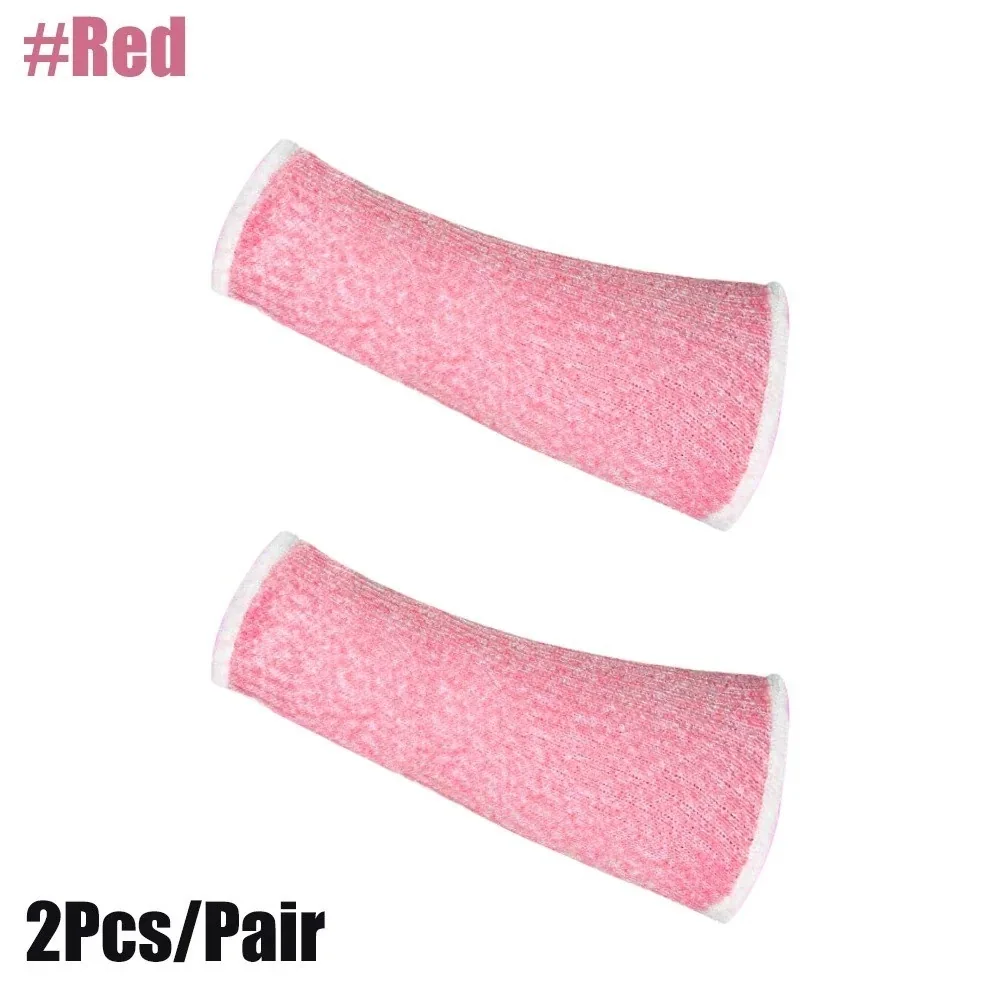
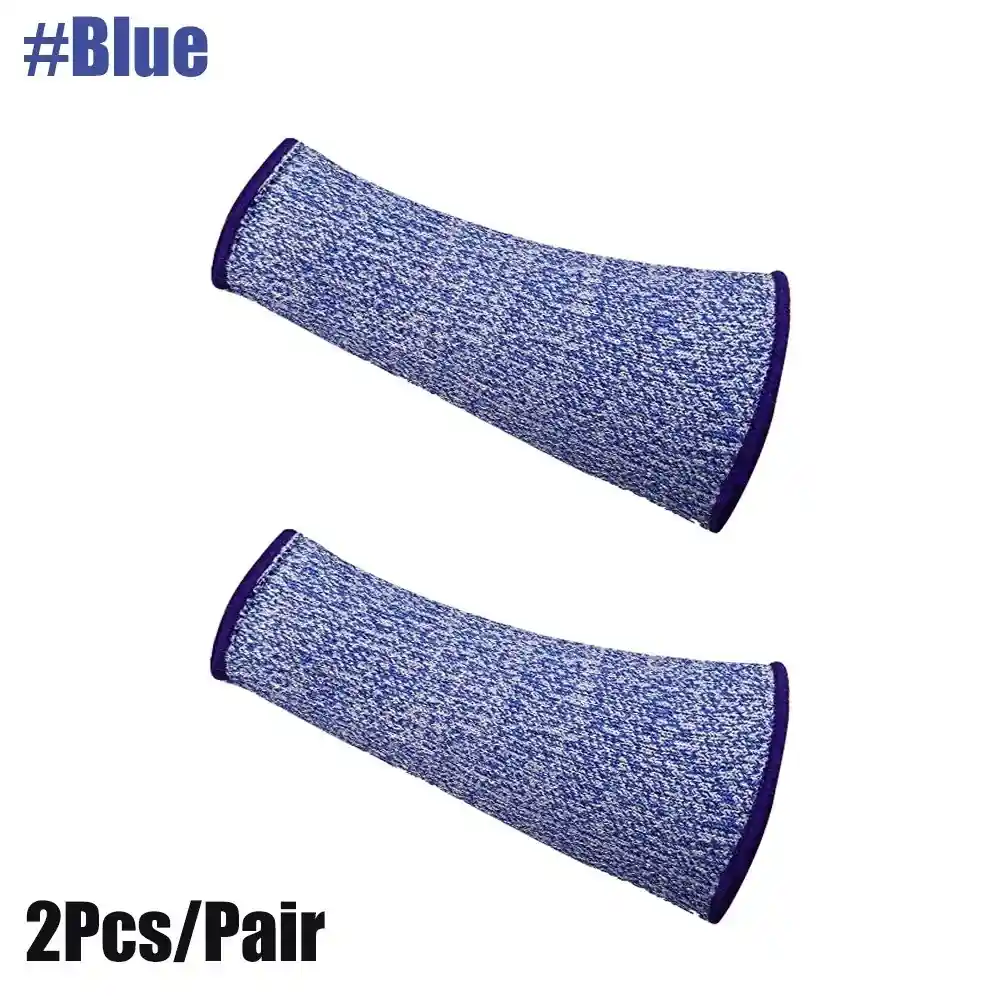
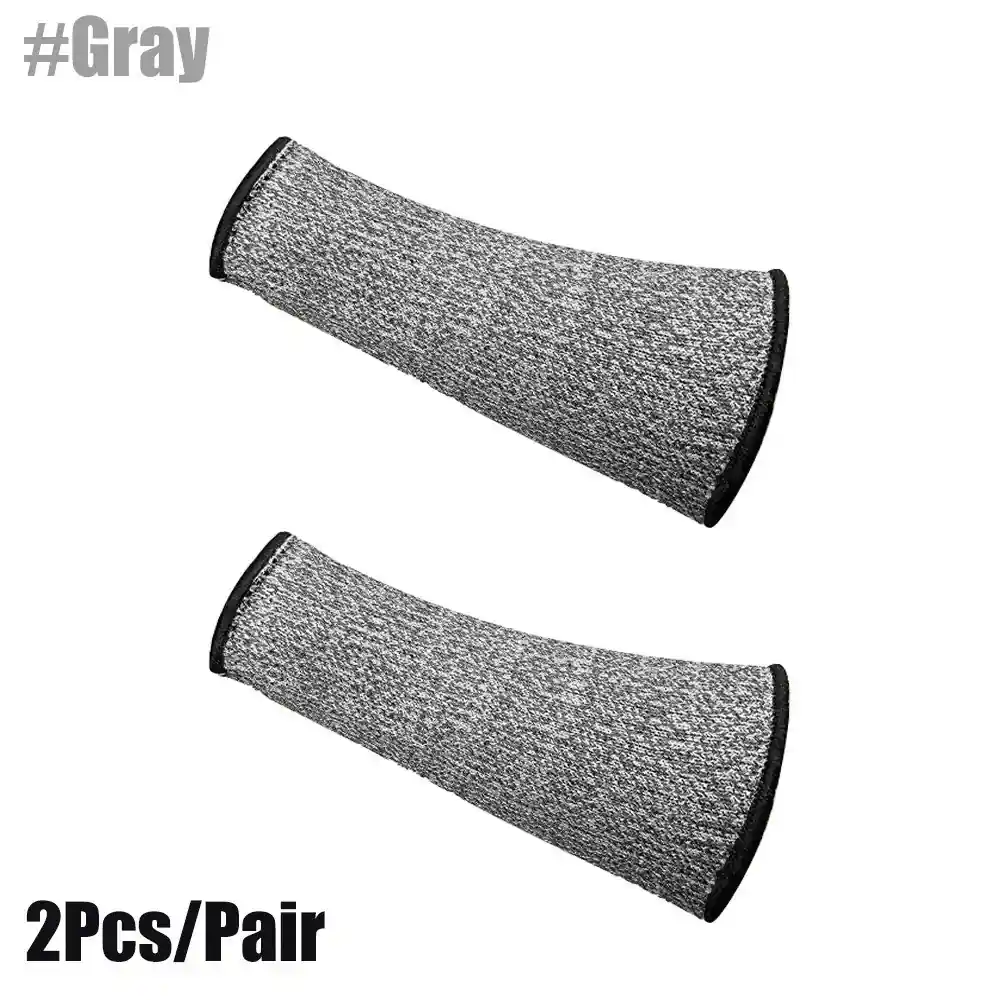
Available Colours
Common protective-sleeve colours include:
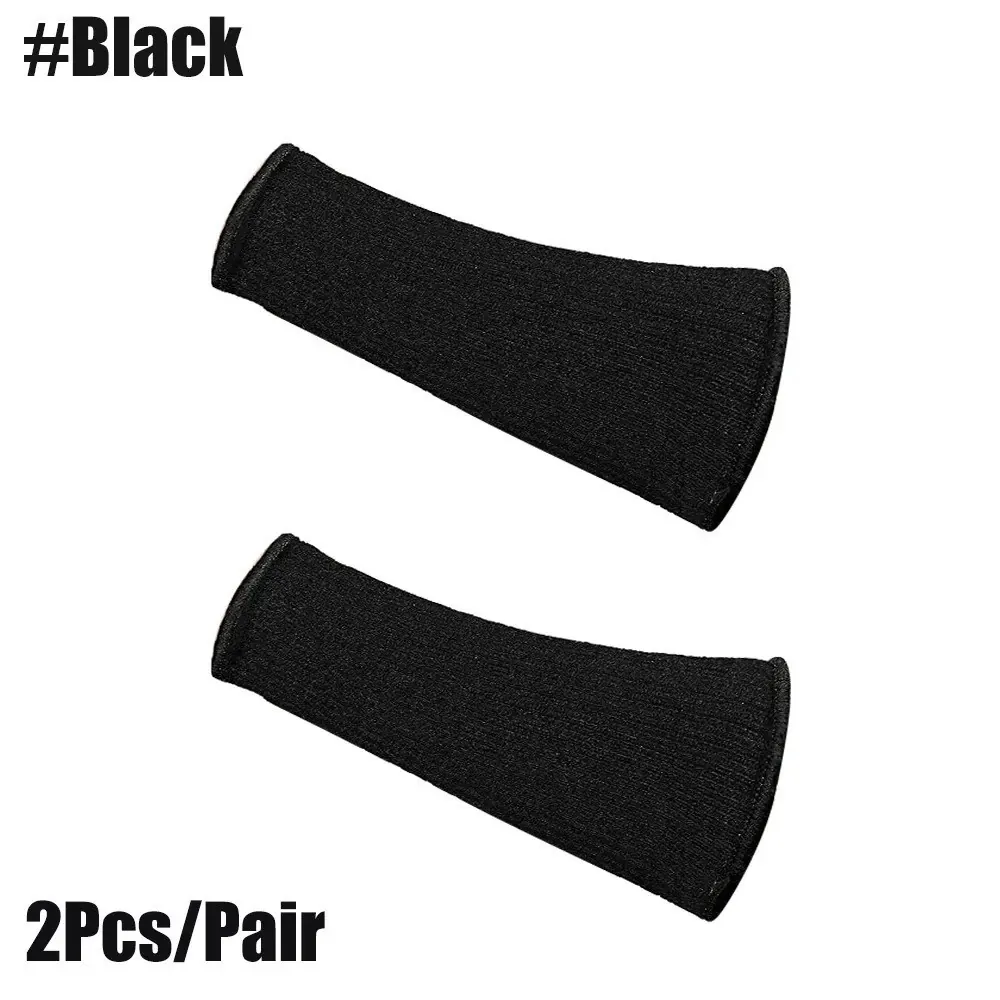
- Black
- Grey
- Blue
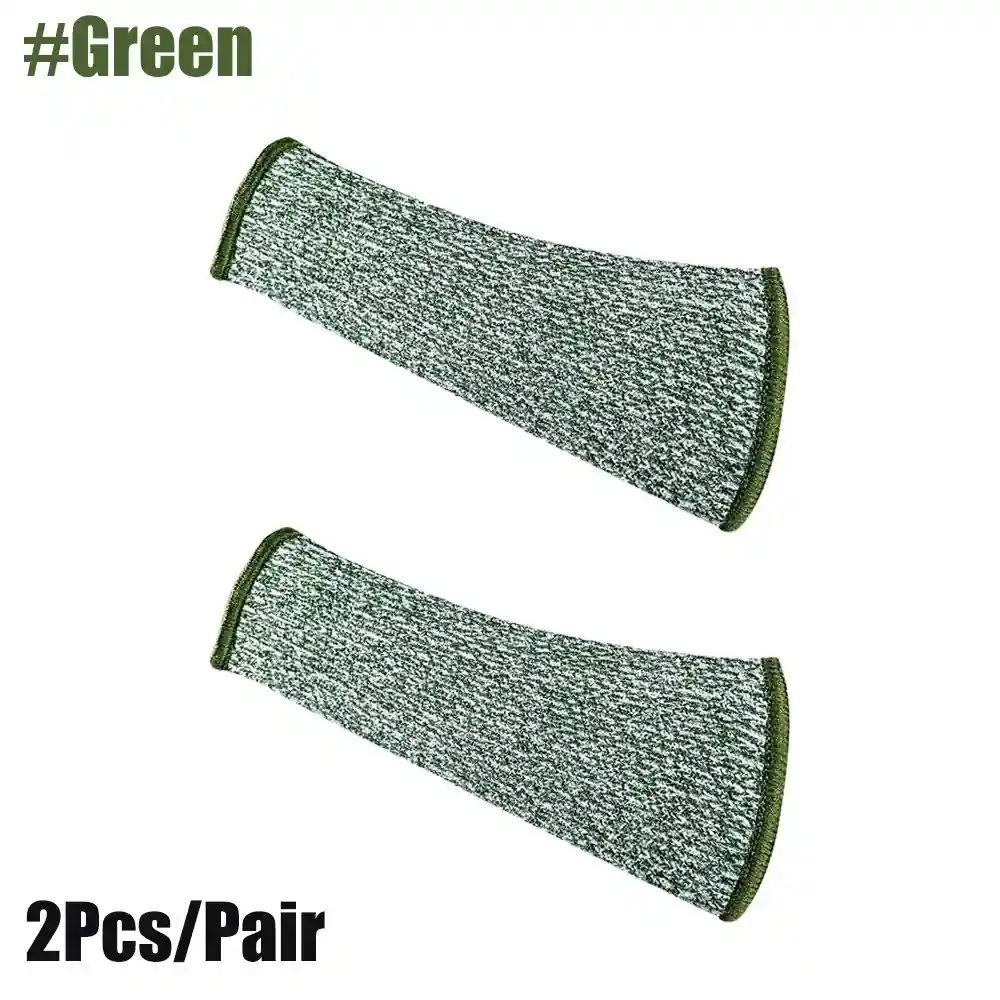
- Green
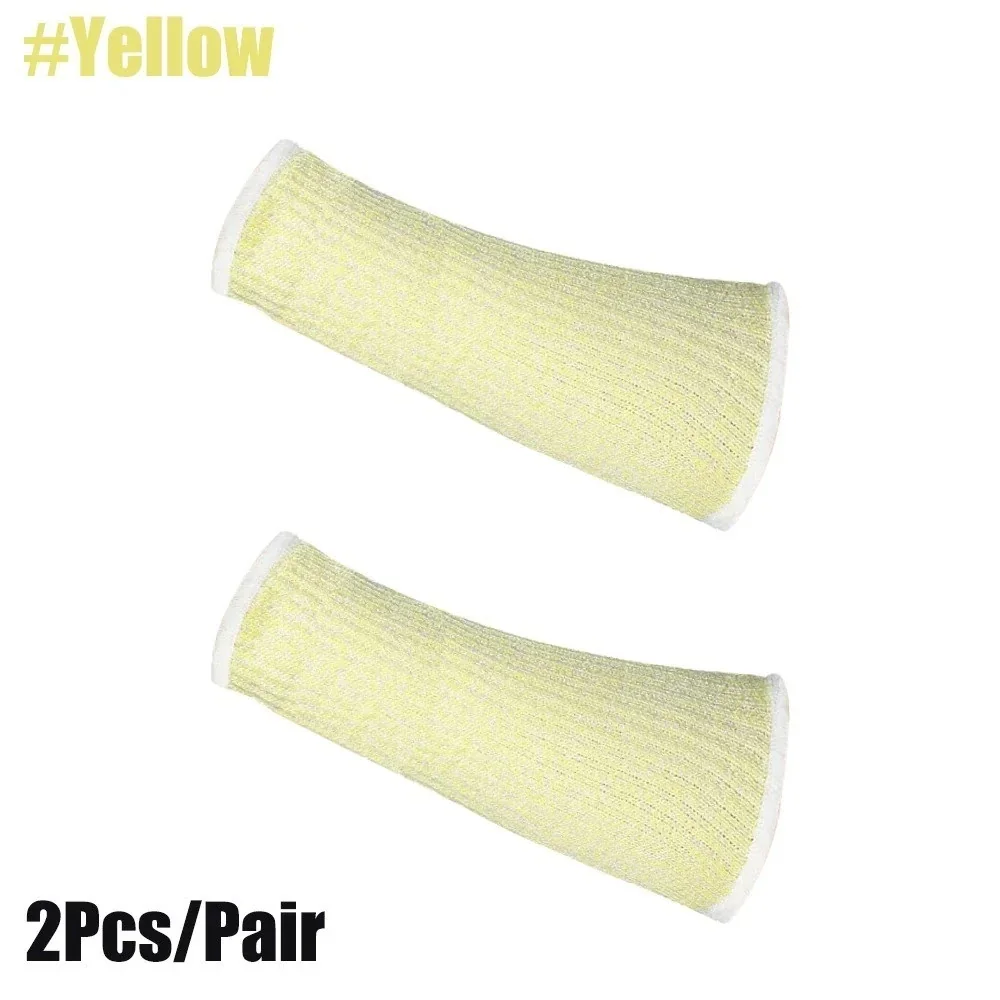
- Yellow
- Purple
Colour varies according to material and supplier.
It does not automatically indicate a protection level.
How to Wear
Step 1 – Inspect the Sleeve
Check for:
- Holes
- Tears
- Excessive wear
- Loose fibres
Step 2 – Slide Over the Forearm
Pull the sleeve up from the wrist towards the elbow.
Step 3 – Use the Thumb Slot
If fitted, place your thumb through the opening.
Step 4 – Check the Fit
Make sure the sleeve:
- Covers the required area
- Is not excessively tight
- Does not restrict movement
Step 5 – Add Gloves
Use suitable protective gloves where the task requires hand protection.
Wear with Protective Gloves
Cut-resistant sleeves are commonly intended to supplement gloves rather than replace them.
Screwfix specifically describes its protective sleeves as being worn alongside cut-resistant gloves for additional lower-arm protection.
For higher-risk work, select gloves and sleeves with suitable verified safety ratings.
Washing & Care
Cleaning instructions depend on material.
Some protective sleeves can be:
- Hand washed
- Machine washed
- Reused multiple times
while others have manufacturer-specific cleaning limits.
One current Screwfix cut-resistant sleeve is specified for hand washing.
Always follow your supplier’s instructions.
General care:
- Remove dirt after use.
- Wash when needed.
- Allow to dry thoroughly.
- Keep away from harsh chemicals.
- Inspect after washing.
- Replace damaged sleeves.
When to Replace
Replace the sleeve if you notice:
- Holes
- Cuts
- Fraying
- Thinning fabric
- Damaged stitching
- Excessive stretching
- Loss of elasticity
Protective performance may reduce after significant damage.
What’s Included?
Depending on your selected option:
- 1 x Cut Resistant Arm Sleeve
or - 1 Pair of Cut Resistant Arm Sleeves
Gloves, tools and other PPE are not included unless specifically stated.
Safety Information
- Cut resistant does not mean cut proof.
- Do not deliberately test the sleeve with knives or sharp tools.
- Do not claim bite-proof performance unless specifically tested.
- Do not rely on the sleeve for protection against severe animal bites.
- Wear suitable protective gloves where required.
- Use PPE appropriate to the actual workplace hazard.
- Check for cuts, tears and wear before each use.
- Replace damaged sleeves immediately.
- Keep away from moving machinery if the sleeve is loose.
- Do not use near open flames unless the material is specifically flame-rated.
- Do not assume heat resistance unless certified.
- Do not use for chemical handling unless the material is rated for those chemicals.
- Stop use if circulation feels restricted.
- Follow workplace risk assessments and PPE requirements.
- EN 388 protection levels should only be stated where certification for the exact product is available.
Frequently Asked Questions
What are cut resistant arm sleeves?
They are protective sleeves worn over the forearms to provide additional protection against cuts, scratches and abrasions.
Are they cut proof?
No.
They are cut resistant, not completely cut proof.
Can I use them for gardening?
Yes.
They can help protect arms from scratches caused by branches, brambles and thorny vegetation.
Are they suitable for rose pruning?
Yes, as an additional layer against scratches and thorns.
However, very sharp thorns may still penetrate fabric depending on the material and force.
Are they bite proof?
Do not assume so.
Some sellers use “bite resistant” wording, but true bite protection requires appropriate testing.
Can dogs bite through them?
Potentially yes.
No textile sleeve should be treated as guaranteed protection from a strong animal bite unless specifically certified for that hazard.
Can I use them when handling cats?
They may provide additional protection from scratches and light contact.
They cannot guarantee protection from deep bites.
Can I wear them for workshop jobs?
Yes.
Cut-resistant sleeves are commonly used for workshop and industrial handling tasks.
Can I use them for glass handling?
Some certified protective sleeves are specifically designed for glass handling.
Only use your product for this purpose if its protection level is appropriate.
Can I use them for metal work?
Yes, depending on the specific cut rating.
Professional arm protectors are commonly used around sheet metal and steel.
Do they have an EN 388 rating?
Only if your exact product has been tested and certified.
Do not copy another brand’s rating.
What is EN 388?
EN 388 is a European standard used to evaluate protective gloves and related PPE against mechanical risks such as abrasion, cutting, tearing and puncture.
Are they puncture proof?
No such claim should be made unless the exact sleeve has a tested puncture rating.
Do they protect against thorns?
They can reduce direct skin contact with thorns, but sharp thorns may still penetrate depending on fabric and force.
Are they reusable?
Yes, most knitted protective sleeves are designed for repeated use while undamaged.
Can they be washed?
Usually, but follow the cleaning instructions for your exact material.
Do they come as a pair?
Check your product variation.
Some sleeves are sold individually and others as pairs.
Do they have thumb holes?
Some models do.
Thumb holes help keep the sleeve positioned during work.
Can they be worn on either arm?
Many sleeve designs are ambidextrous.
Confirm this feature with your exact product.
Can I wear gloves with them?
Yes.
Protective sleeves are commonly worn together with suitable gloves.
Are they heat resistant?
Not automatically.
Some Kevlar products may have heat ratings, but cut protection alone does not guarantee heat resistance.
Are they flame resistant?
Only if specifically tested and certified.
Can I use them for welding?
Not unless the exact sleeve is designed and rated for welding hazards.
Are they suitable for professional use?
Potentially, but workplace PPE should have the correct documented protection rating for the task.
How do I know when to replace them?
Replace if they become torn, heavily worn, stretched or damaged.


Reviews
There are no reviews yet.