
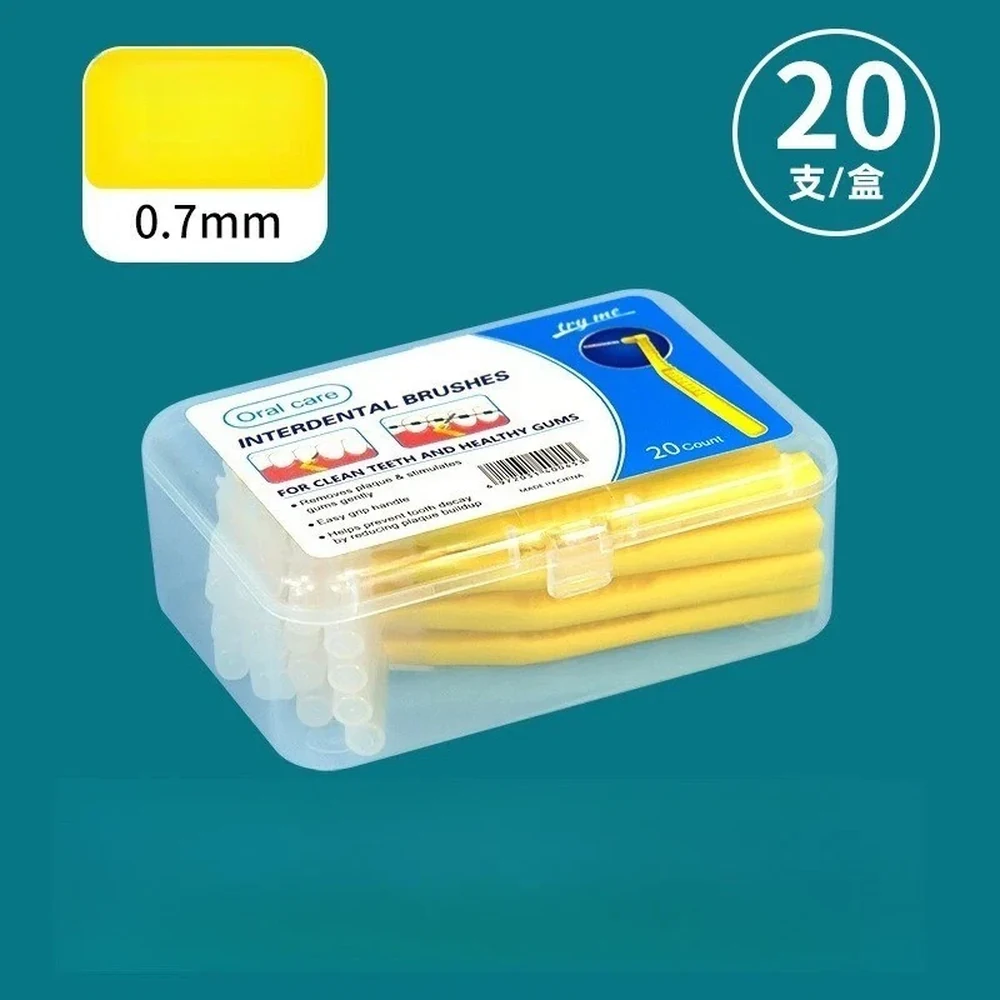
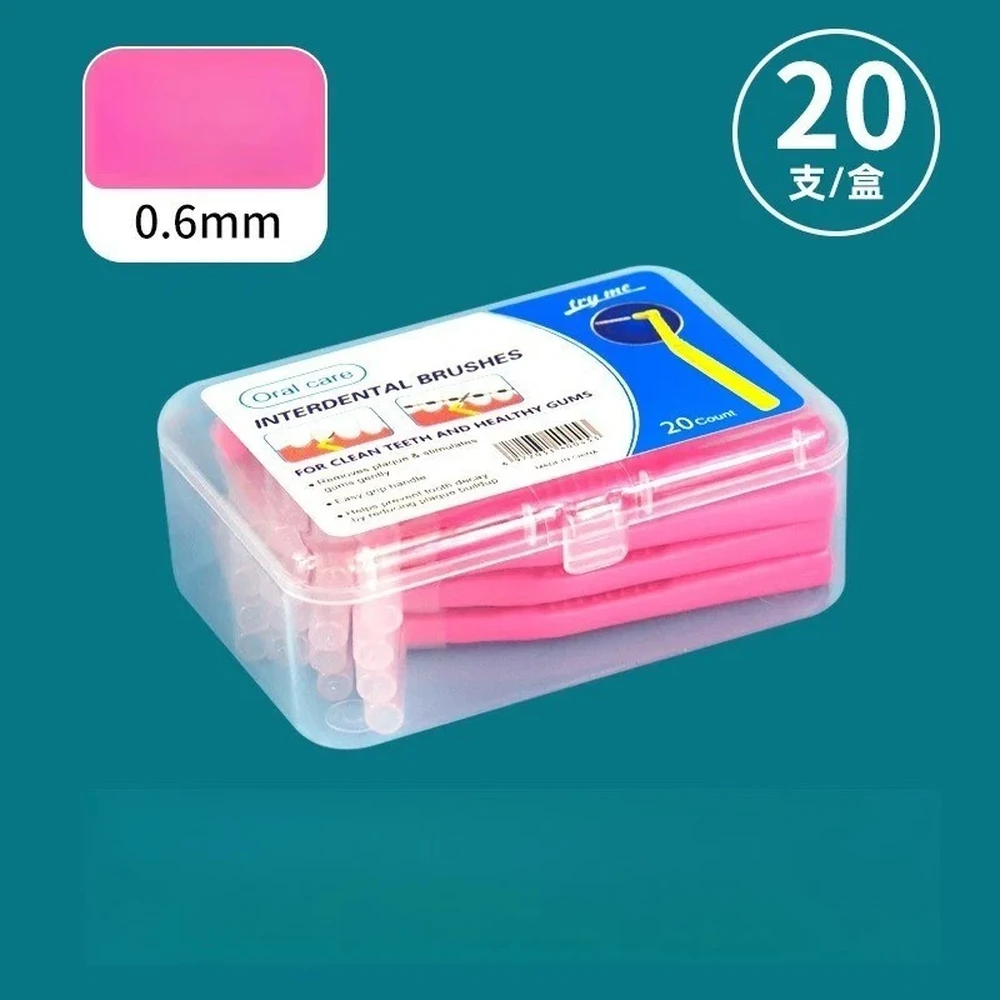
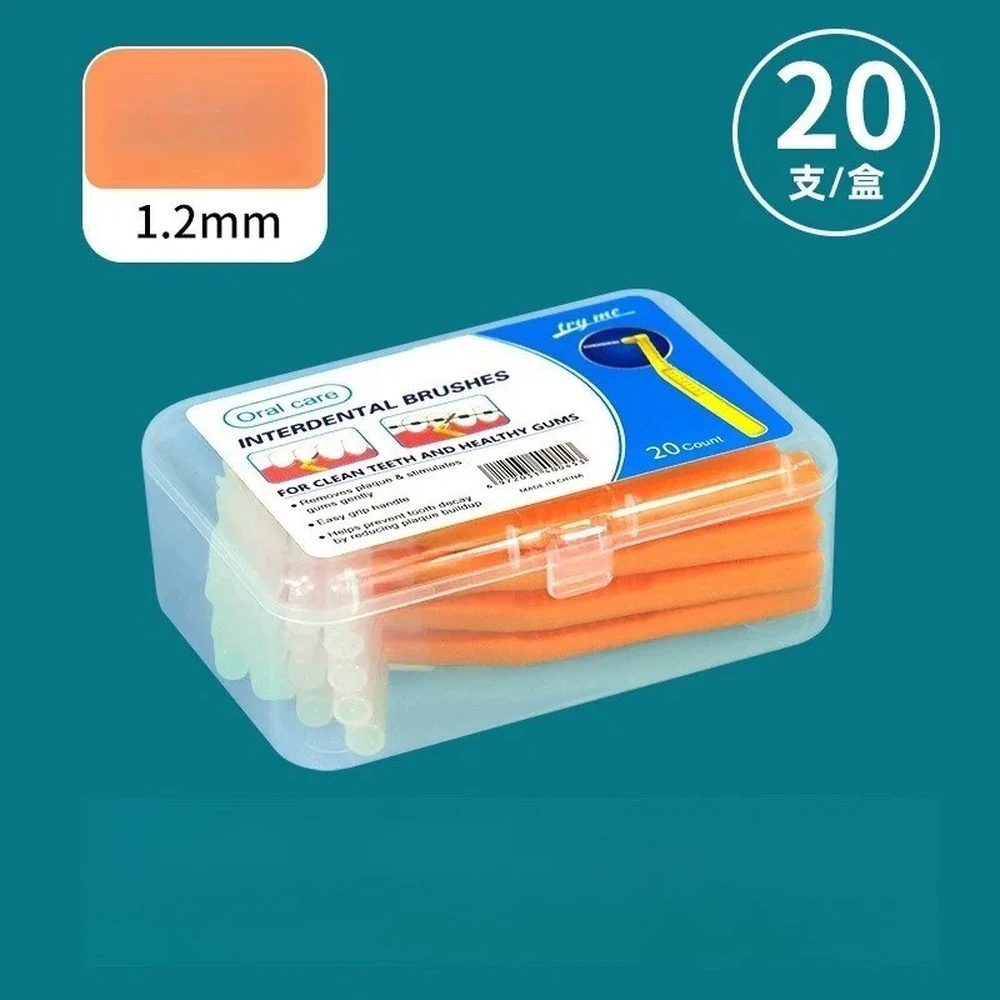
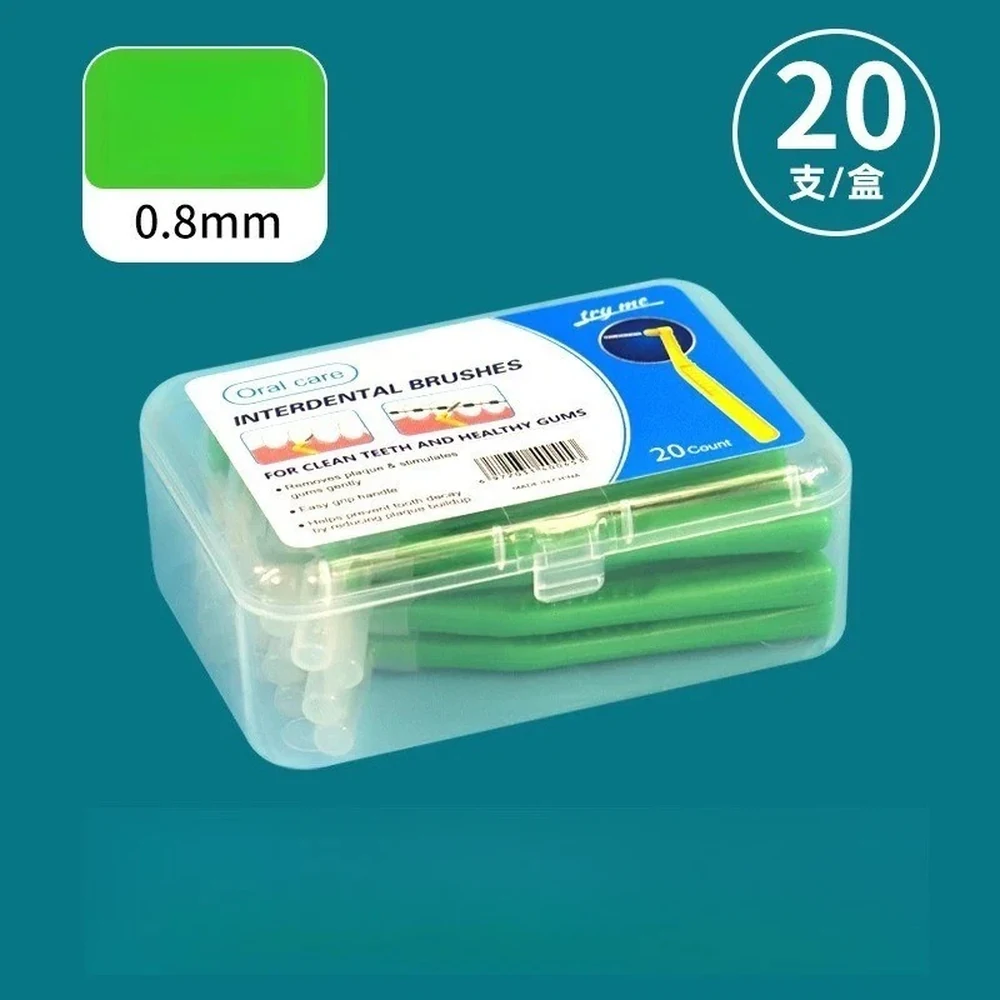
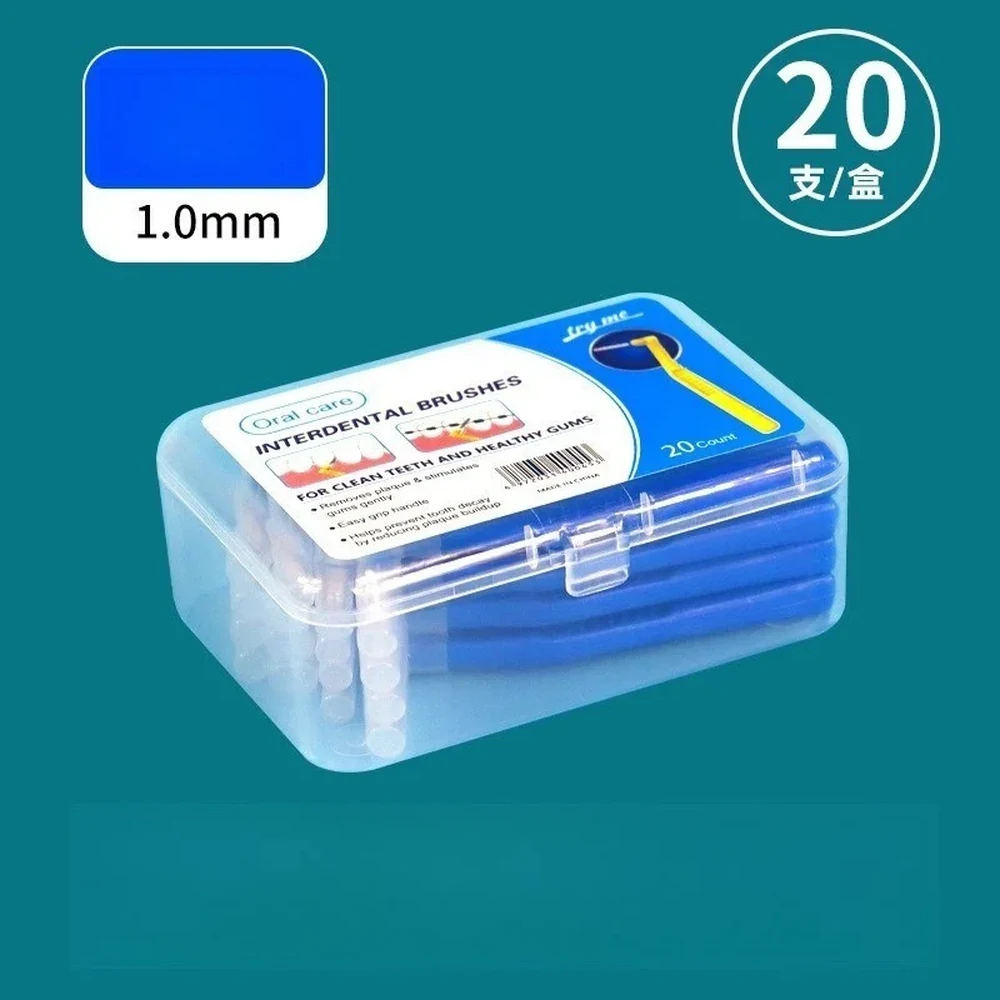
Angled Interdental Brushes – Between Teeth & Braces Cleaning Brush UK
Improve your daily oral-care routine with these Angled Interdental Brushes, designed to clean between teeth and around hard-to-reach areas such as braces, brackets and orthodontic wires.
The angled brush head helps make it easier to reach areas that a standard toothbrush may miss, particularly between back teeth and around fixed braces. The small bristles are designed to pass gently through suitable interdental gaps, helping remove trapped food and plaque from between teeth.
The NHS recommends interdental brushes as an effective option for cleaning between teeth and specifically advises people with braces to clean between teeth and underneath braces every day.
These brushes should be used alongside, not instead of, normal tooth brushing with fluoride toothpaste.
Key Features
- Angled interdental brush design
- Helps clean between teeth
- Suitable for compatible interdental gaps
- Useful for braces and orthodontic appliances
- Helps clean around brackets and wires
- Easier access to back teeth
- Compact bristle head
- Long handle for better control
- Helps remove trapped food
- Supports daily plaque removal
- Suitable for adults and orthodontic users
- Available in multiple brush sizes depending on stock
- Reusable for a limited period when cared for correctly
- Lightweight and easy to carry
- Ideal for home, work or travel oral care
Product Specifications
Product Type: Angled Interdental Brush
Use: Between Teeth / Braces / Orthodontic Cleaning
Brush Style: Angled
Handle: Long Grip Handle
Bristles: Fine Interdental Bristles
Wire: Fine Wire Core, often plastic-coated depending on supplier
Suitable For: Teeth Gaps / Braces / Orthodontic Appliances
Size: Depends on selected variation
Quantity: Depends on selected pack
Reusable: Yes, until bristles or wire become worn or damaged
Age: Follow supplier guidance; generally intended for users able to use safely under dental advice
Established angled interdental brushes use a long flat handle, angled head and plastic-coated wire to improve access, particularly around posterior teeth.
Why Choose Angled Interdental Brushes?
Clean Areas a Normal Toothbrush Can Miss
A standard toothbrush mainly cleans the outer, inner and chewing surfaces of the teeth.
Narrow spaces between teeth can be harder to reach.
Interdental brushes are designed specifically to clean these areas by passing gently through suitable spaces and removing plaque and trapped debris.
The NHS states that interdental brushes can be used instead of floss where gaps allow and should fit snugly between the teeth.
Ideal for Braces
Fixed braces create extra areas where food and plaque can collect.
These include:
- Around brackets
- Under orthodontic wires
- Between teeth
- Near the gum line
The NHS specifically recommends daily interdental cleaning underneath braces, while orthodontic guidance from TePe also identifies interdental brushes as useful around brackets and beneath wires.
Angled Head for Easier Access
The angled design can make cleaning the back teeth easier than with a completely straight brush.
Professional angled interdental brushes are designed specifically to improve access between posterior teeth from both the cheek and tongue sides.
Long Handle for Better Control
A longer handle can help provide a more stable grip, particularly when reaching:
- Molars
- Back teeth
- Orthodontic wires
- Difficult interdental spaces
This can make daily cleaning easier and more controlled.
Suitable for Braces & Orthodontic Appliances
These brushes may be especially useful for people wearing fixed braces.
They can help clean:
Under the Wire
Guide the brush carefully underneath the orthodontic wire to remove trapped food and plaque.
Around Brackets
Use gentle movements around the edges of brackets without applying excessive pressure.
Between Teeth
Choose a brush size that fits the interdental space comfortably.
TePe’s orthodontic guidance describes interdental brushes as useful for both cleaning around brackets and underneath wires, as well as between teeth where there is enough space.
Available Sizes
This product does not have flavours.
The relevant variation is Brush Size.
Angled interdental brushes are commonly available in several sizes because gaps between teeth vary.
A recognised angled interdental range includes sizes such as:
- 0.4mm
- 0.45mm
- 0.5mm
- 0.6mm
- 0.7mm
- 0.8mm
Only list sizes supplied with your actual product.
Choosing the Correct Brush Size
The NHS advises that an interdental brush should fit snugly between the teeth.
The brush should:
- Enter without excessive force
- Make gentle contact with the tooth surfaces
- Not feel painfully tight
- Not bend severely during every use
Different gaps may require different brush sizes.
A dentist or dental hygienist can recommend the best size for individual teeth.
How to Use an Interdental Brush
Step 1 – Choose the Correct Size
Select a brush that fits comfortably between the teeth.
Step 2 – Insert Gently
Place the brush at the entrance to the gap.
Do not force it through.
Step 3 – Move Through the Gap
Pass the brush gently backwards and forwards.
One or a few controlled movements are normally sufficient.
Step 4 – Clean Around Braces
For braces, carefully guide the brush:
- Between brackets
- Under wires
- Around difficult corners
Step 5 – Rinse the Brush
Rinse away debris after use.
Step 6 – Inspect Before Reuse
Replace the brush when the bristles become badly worn or the wire becomes bent or damaged.
How Often Should Interdental Brushes Be Used?
For braces, the NHS recommends using an interdental brush to clean between the teeth and underneath braces every day.
For normal interdental cleaning, frequency should follow your dentist or hygienist’s advice.
Not a Replacement for Normal Brushing
Interdental brushes complement normal brushing.
Continue to brush all tooth surfaces using fluoride toothpaste.
The NHS recommends brushing teeth with fluoride toothpaste and using interdental cleaning to target areas between the teeth.
For people with braces, thorough brushing around brackets and wires is especially important.
Suitable for Back Teeth
The angled head is particularly useful for reaching posterior areas.
Instead of sharply bending a straight brush, the built-in angle can make access more comfortable and controlled.
Professional angled products specifically highlight improved access to posterior teeth as a key design benefit.
Helps Remove Trapped Food
Food can become trapped:
- Between teeth
- Around braces
- Under orthodontic wires
- Near brackets
Interdental brushes can help physically remove this debris during everyday oral hygiene.
They should not be used aggressively to dig into the gums.
Cleaning Around Implants
Some angled interdental brushes are also suitable around implants, provided the correct brush size and material are used.
For example, TePe’s angled range is marketed for use around implants and orthodontic appliances.
If you have implants, follow your dentist’s recommendation before choosing a brush.
Available Colours
Brush colours may indicate different sizes depending on the manufacturer.
Common colour-coded systems may include:
- Pink
- Orange
- Red
- Blue
- Yellow
- Green
For example, one established angled range uses different colours to identify different ISO and brush sizes.
Do not assume a colour represents the same size across every brand.
Care Instructions
To keep the brush hygienic:
- Rinse thoroughly after each use.
- Shake off excess water.
- Allow to air dry.
- Store in a clean, dry place.
- Replace when bristles become worn.
- Replace immediately if the wire becomes damaged.
- Do not share brushes with another person.
What’s Included?
Each order includes the selected quantity of:
- Angled Interdental Brushes
Exact brush size, colour and pack quantity depend on your selected variation.
Toothpaste, braces and other oral-care products are not included.
Safety Information
- Choose the correct brush size.
- Never force the brush through a gap.
- Use gentle back-and-forth movements.
- Stop if use causes significant pain.
- Replace brushes with bent or damaged wire.
- Do not deliberately push the wire into the gums.
- Keep the brush clean between uses.
- Do not share oral-care brushes.
- Children should use only when age-appropriate and with suitable supervision.
- People with recent dental surgery should follow their dentist’s instructions.
- Seek dental advice if gums remain very swollen, painful or bleed heavily.
- If wearing braces, contact your orthodontist if your gums become very red, swollen or painful.
- Ask a dentist or hygienist for help selecting the correct interdental brush size.
Frequently Asked Questions
What is an angled interdental brush?
It is a small brush designed to clean gaps between teeth, with an angled head that improves access to difficult areas such as back teeth.
Can I use it with braces?
Yes.
The NHS recommends interdental brushes for cleaning between teeth and underneath fixed braces every day.
Can it clean under orthodontic wires?
Yes.
Interdental brushes are commonly used underneath orthodontic wires and around brackets.
Can I use it between normal teeth?
Yes, provided there is enough space and the brush fits comfortably.
How tight should the brush fit?
The NHS advises that the brush should fit snugly between the teeth.
It should not need to be forced through.
What if the brush will not fit?
Use a smaller size or ask your dentist or hygienist for advice.
Do not force an oversized brush between teeth.
Are different sizes available?
Yes.
Interdental brushes are available in multiple diameters for different gap sizes.
Why is the brush angled?
The angle helps improve access to areas such as the back teeth.
Can it replace floss?
For gaps large enough to accept a brush, the NHS says interdental brushes can be used instead of floss.
Very tight spaces may still require floss or another method recommended by your dentist.
Does it replace my toothbrush?
No.
Interdental cleaning should be used alongside normal brushing with fluoride toothpaste.
How often should I use it?
People with braces are advised to use an interdental brush every day.
For general use, follow your dental professional’s advice.
Can I reuse one brush?
Yes, for a limited period.
Replace it once the bristles or wire become worn or damaged.
Should the wire touch my gums?
The brush should pass gently through the gap without being pushed aggressively into gum tissue.
Why does my gum bleed when I use it?
Mild bleeding can occur if gums are inflamed or if the brush is too large or used too aggressively.
Persistent or heavy bleeding should be discussed with a dentist or hygienist.
Can I use it around implants?
Some interdental brushes are specifically suitable for implants, especially versions with coated wire.
Follow your dentist’s recommendation.
Can it clean wisdom teeth?
The angled design may help reach around back teeth, although accessibility varies.
Can children with braces use these?
Older children and teenagers with braces may use interdental brushes when recommended by their orthodontic team and used correctly.
Should I use toothpaste on the interdental brush?
Usually the brush is used by itself unless your dentist or the product instructions recommend a specific gel or toothpaste.
How do I know when to replace it?
Replace it when:
- Bristles are flattened
- The wire is bent
- The brush no longer cleans effectively
- The coating becomes damaged
What if my braces are painful or my gums are swollen?
The NHS advises contacting your orthodontist if braces cause pain for more than a few days after fitting or adjustment, or if your gums are very red, swollen or painful.


Reviews
There are no reviews yet.