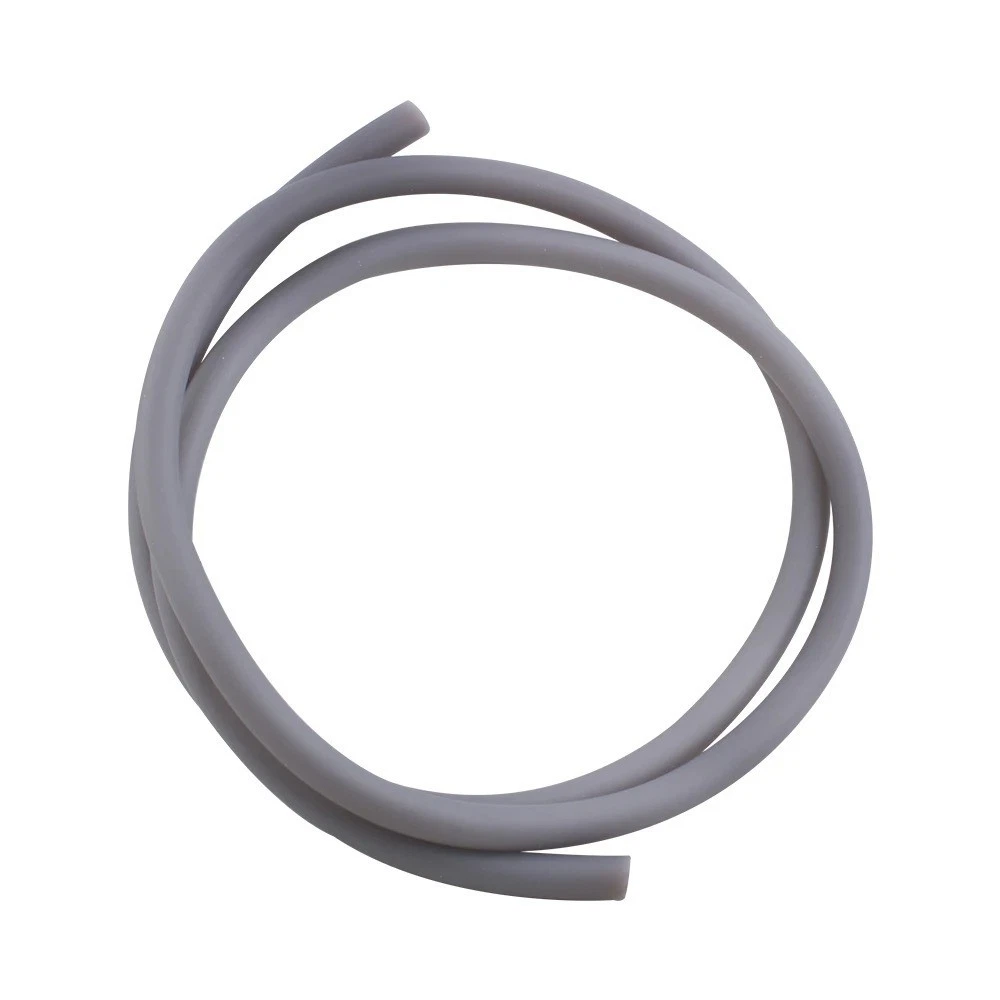
Motorbike Fuel Hose Rubber Pipe – E10 Petrol Diesel Oil Line UK
Replace worn, cracked or ageing fuel pipe with this Motorbike Rubber Fuel Hose, designed for compatible low-pressure motorcycle fuel and oil applications.
Ideal for classic motorcycles, scooters, mopeds, restoration projects and general workshop repairs, this flexible rubber hose can be cut to the required length and routed between compatible fuel-system components.
Where your supplied hose is specifically rated for modern fuel, it can be used with E10 unleaded petrol, as well as compatible petrol, diesel and oil applications. E10 compatibility is particularly important on older motorcycles because modern petrol can contain ethanol, which may affect unsuitable or ageing rubber fuel lines.
Current UK fuel-hose suppliers specifically distinguish E10-compatible hose from standard older formulations, with dedicated hoses available for classic vehicles and motorcycles using modern ethanol-containing petrol.
The simple unreinforced construction also makes the pipe flexible and easy to route around compact motorcycle fuel systems. However, because it is described as unreinforced, it should only be used where the pressure, temperature and fuel compatibility match your supplier’s specification.
Key Features
- Flexible rubber motorbike fuel hose
- Suitable for compatible motorcycle fuel-line applications
- Designed for low-pressure systems where specified
- E10 petrol compatible when confirmed by supplier specification
- Suitable for compatible petrol applications
- Can be suitable for diesel fuel lines
- Suitable for selected oil and breather applications
- Flexible construction for easier routing
- Can be cut to the required length
- Ideal for classic motorbike restoration
- Suitable for motorcycles, scooters and mopeds
- Useful replacement for old or cracked fuel pipe
- Ideal for workshop maintenance and repairs
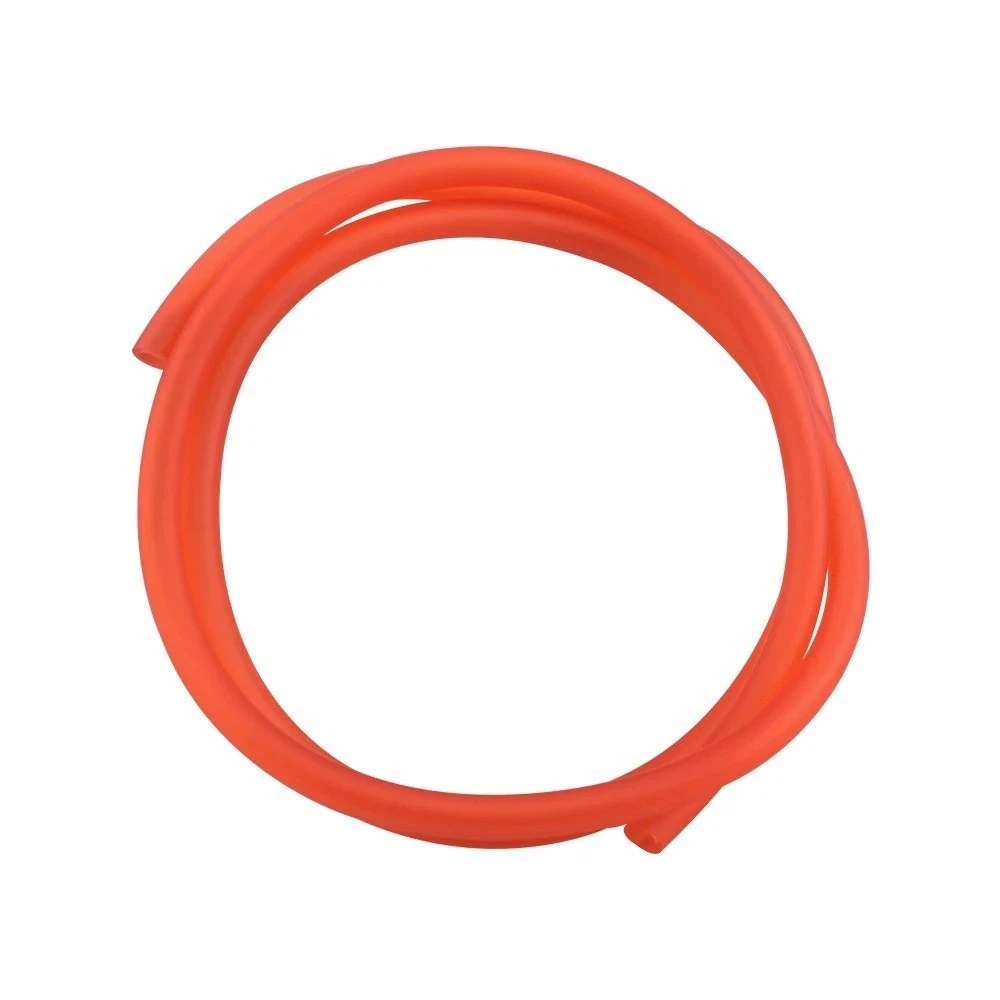
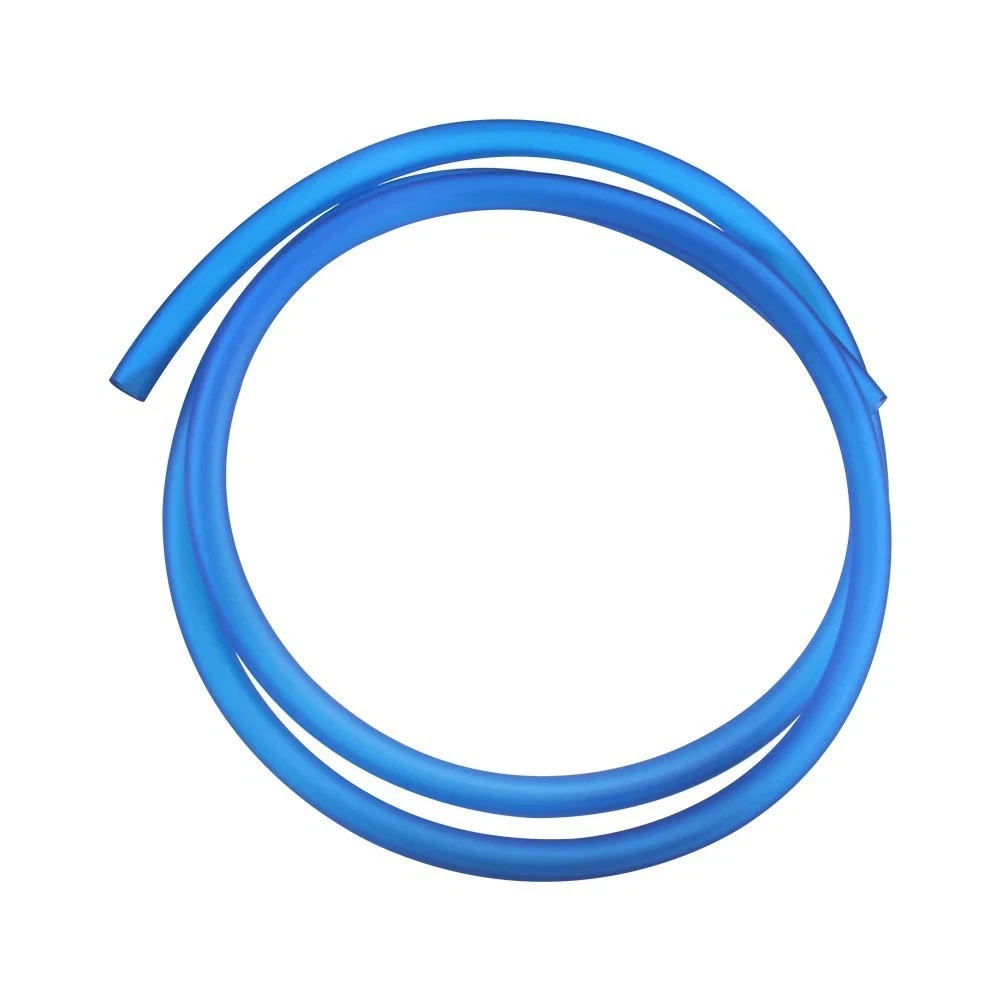
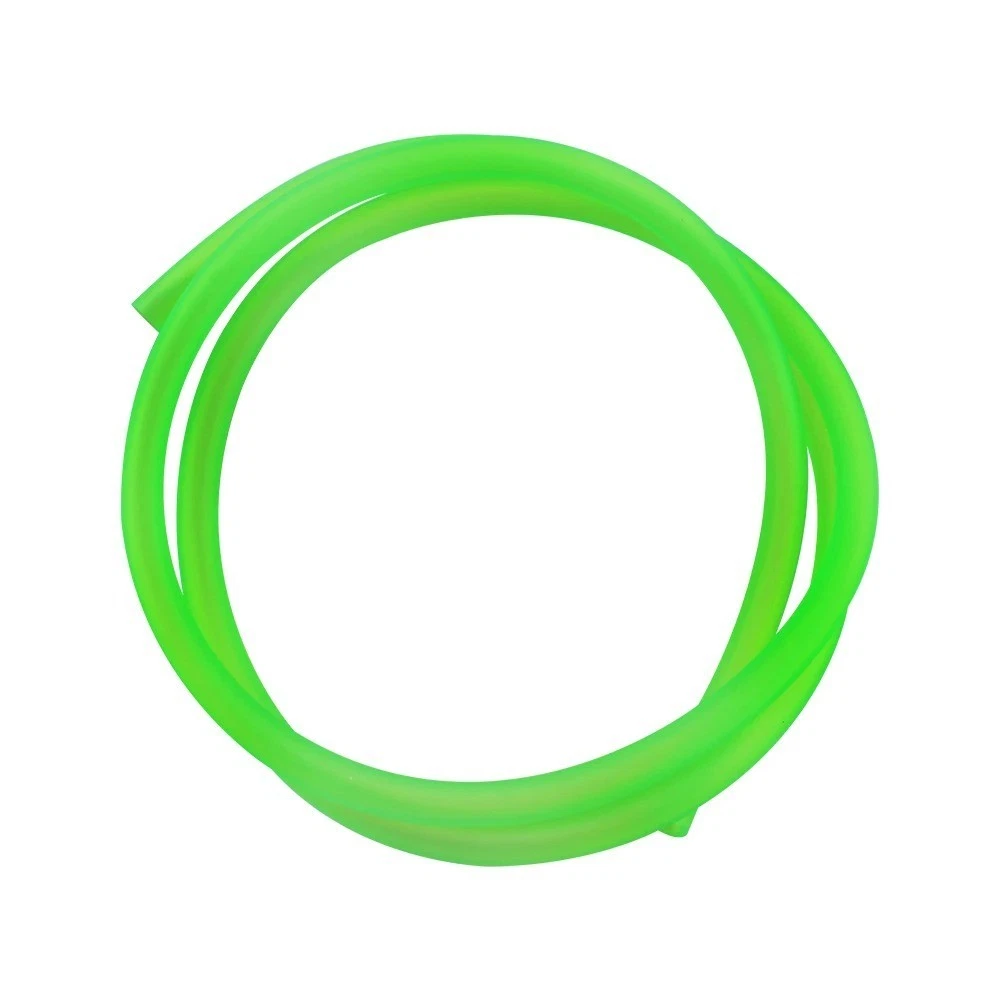
- Available in different internal diameter options depending on stock
- Suitable for clamped hose connections
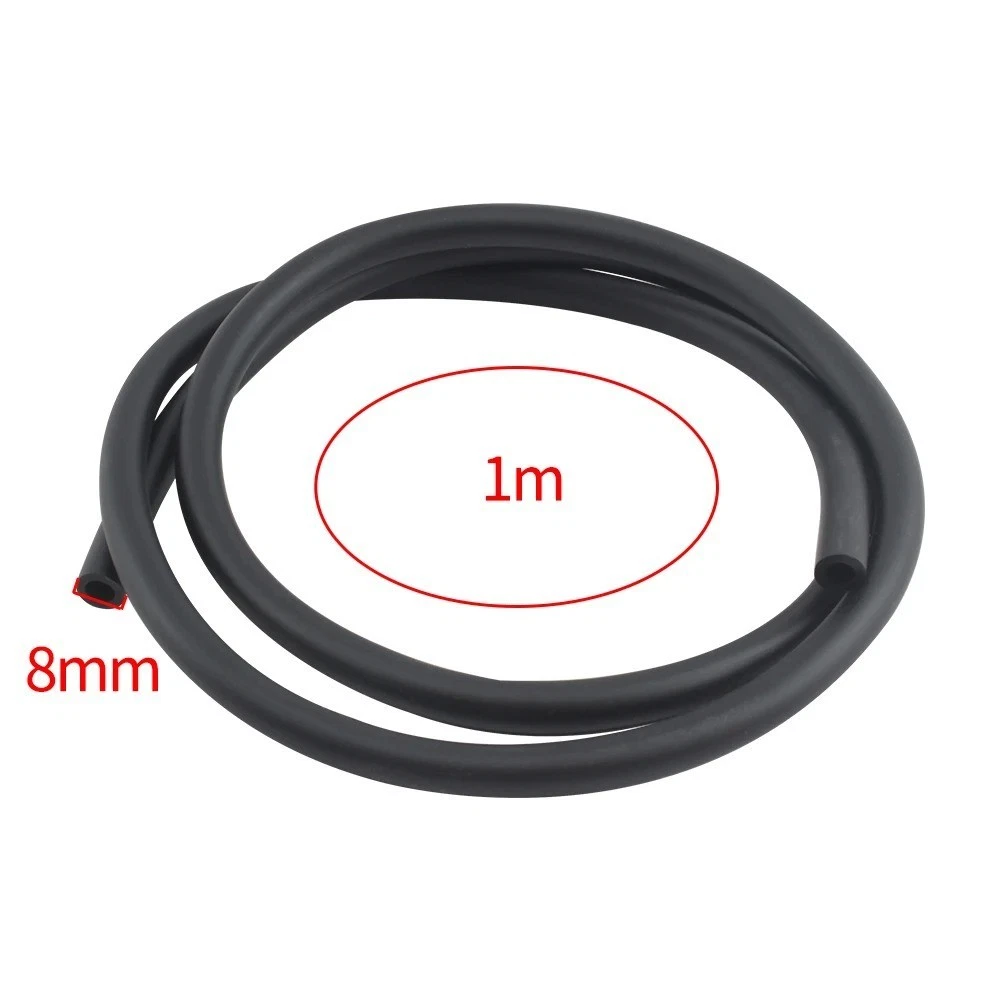
- Simple black rubber finish
Motorbike Fuel Hose Specifications
Product Type: Motorcycle Fuel Hose / Fuel Pipe
Material: Rubber
Construction: Unreinforced
Fuel Compatibility: E10 Petrol / Petrol / Diesel where supplier-rated
Oil Compatibility: Selected Oil Applications where supplier-rated
Recommended System: Low-Pressure Fuel Line
Installation: Push-On Hose with Suitable Clamps
Application: Motorcycles / Scooters / Mopeds / Classic Bikes
Colour: Typically Black
Length: Depends on selected variation or supplied length
Internal Diameter: Depends on selected size
External Diameter: Depends on supplied specification
Exact internal diameter, wall thickness, working pressure, temperature range and chemical resistance should be taken from your supplier’s actual hose specification before being published as guaranteed values.
Why Choose This Motorbike Rubber Fuel Hose?
Suitable for Motorcycle Fuel-Line Repairs
Motorcycle fuel hoses can deteriorate over time through exposure to heat, fuel, vibration and age.
Typical signs that a fuel pipe may need attention include:
- Surface cracking
- Hard or brittle rubber
- Fuel smell
- Visible leaks
- Loose hose ends
- Swelling
- Splitting around clips
- Discolouration
Replacing an ageing hose with a correctly specified fuel line can help maintain a secure connection between compatible fuel-system components.
Designed for Modern E10 Petrol
UK standard unleaded petrol is commonly supplied as E10, meaning it can contain up to 10% renewable ethanol.
Older rubber components were not necessarily designed for modern ethanol-containing fuels.
That is why an E10-rated motorcycle fuel hose is particularly useful for classic bikes and older fuel systems when converting or maintaining them for use with modern petrol.
Specialist UK suppliers sell ethanol-compatible hose specifically for classic vehicles, motorcycles and E10 fuel applications.
Flexible Unreinforced Construction
An unreinforced rubber hose is generally softer and more flexible than heavily reinforced fuel-injection hose.
This can make it useful in compact motorcycle installations where the hose needs to follow a simple route between:
- Fuel tank outlets
- Fuel taps
- Carburettors
- Filters
- Low-pressure fuel components
However, flexibility should not be confused with high-pressure capability.
An unreinforced hose should not automatically be used on fuel-injection systems unless its manufacturer specifically confirms the required pressure rating.
Easy to Cut to Length
The hose can be trimmed to suit the installation.
A clean, square cut helps create a better connection with hose tails and fittings.
Use a suitable hose cutter or sharp workshop tool and avoid crushing or distorting the pipe during cutting.
Ideal for Classic Motorcycle Restoration
Classic bikes frequently require replacement rubber components as part of ongoing maintenance.
Fresh fuel hose can be useful when restoring:
- Classic British motorcycles
- Older Japanese motorcycles
- Scooters
- Mopeds
- Cafe racers
- Custom builds
- Project bikes
Always confirm the fuel-system design and hose diameter before ordering.
Suitable Fuel Types
E10 Petrol
Use only if the supplied hose is specifically confirmed as E10-compatible.
E10-rated hose is designed to tolerate petrol containing up to 10% ethanol.
Unleaded Petrol
Suitable where the manufacturer’s material specification confirms petrol compatibility.
Diesel
Some fuel hoses are suitable for diesel as well as petrol.
For example, established fuel-hose manufacturers offer standard fuel lines designed for both unleaded petrol and diesel.
Oil
Certain fuel/oil hoses can also be used for compatible engine oil, breather and low-pressure oil applications.
Again, exact compatibility depends on the hose compound.
Gates, for example, separately specifies standard fuel-and-oil hoses for fuel, engine oil, low-pressure hydraulic oil and vent applications.
Available Sizes
This product does not have flavours.
For this type of product, the important variation is hose size, normally listed by internal diameter (ID).
Common motorcycle fuel-hose sizes may include:
- 4mm ID
- 5mm ID
- 6mm ID
- 7mm ID
- 8mm ID
- 10mm ID
Only list sizes that are actually available in your stock.
Why Internal Diameter Matters
The hose needs to fit securely over the fuel tap, carburettor inlet, filter or other hose tail.
If the hose is too large:
- It may leak
- The clamp may not seal correctly
- The pipe may slip off
If it is too small:
- Installation may damage the hose
- The pipe may split
- Fuel flow may be restricted
Always measure the fitting before ordering.
Unreinforced vs Reinforced Fuel Hose
This is an important distinction.
Unreinforced Fuel Hose
Usually intended for relatively simple, lower-pressure applications where the manufacturer approves its use.
Typical applications may include:
- Carburettor feed lines
- Gravity-fed motorcycle fuel systems
- Vent hoses
- Some low-pressure oil applications
Reinforced Fuel Hose
Reinforced hoses contain textile, fibre or other reinforcement to improve pressure resistance.
UK suppliers sell reinforced E10-compatible fuel hose with specified pressure ratings for demanding applications. For example, one current hose uses spiral textile reinforcement and is rated up to 10 bar.
Fuel-Injection Hose
Fuel-injection systems can operate at substantially higher pressure and should use hose specifically approved for that system.
Gates’ fuel-injection products, for example, use multi-layer reinforcement and dedicated high-pressure specifications.
Do not use an unreinforced hose for fuel injection unless your hose manufacturer explicitly certifies it for the required operating pressure.
How to Choose the Correct Fuel Hose
Before ordering, check:
1. Internal Diameter
Measure the outside diameter of the hose tail or check the motorcycle service specification.
2. Fuel Type
Confirm whether the bike uses:
- E10 petrol
- E5 petrol
- Diesel
- Another approved fuel
3. Fuel-System Pressure
Determine whether the bike uses:
- Gravity feed
- Carburettor
- Low-pressure pump
- High-pressure fuel injection
4. Temperature Location
Fuel hose close to an engine or exhaust can experience significantly higher temperatures.
Keep the hose away from excessive heat wherever possible.
5. Required Length
Measure the routing before cutting.
Allow enough length for movement without creating unnecessary loops.
How to Install Motorbike Fuel Hose
Step 1 – Work Safely
Switch off the engine and allow it to cool fully.
Work in a well-ventilated area away from flames, sparks and ignition sources.
Step 2 – Stop the Fuel Supply
Turn off the fuel tap where fitted and drain or control remaining fuel safely.
Step 3 – Remove the Old Hose
Remove clamps and carefully disconnect the old pipe.
Step 4 – Inspect the Fittings
Check hose tails for:
- Corrosion
- Dirt
- Sharp edges
- Damage
Step 5 – Cut the New Hose
Measure carefully and make a clean square cut.
Avoid cutting the hose too short.
Step 6 – Fit the Hose
Push the pipe fully over the correct hose tails.
Do not force an undersized hose.
Step 7 – Secure With Suitable Clips
Use correctly sized fuel-hose clamps or clips where required.
Do not overtighten and damage the rubber.
Step 8 – Check the Routing
Make sure the hose is not:
- Kinked
- Twisted
- Crushed
- Touching the exhaust
- Rubbing against sharp edges
Step 9 – Check for Leaks
Restore the fuel supply and inspect every connection carefully before starting or riding the motorcycle.
What’s Included?
Each order typically includes:
- 1 x Length of Rubber Motorbike Fuel Hose
Length and internal diameter depend on the selected product option.
Hose clips, filters, connectors and other accessories are not included unless specifically stated.
Safety Information
Fuel systems require careful installation because petrol and diesel are flammable.
- Only use hose specifically rated for the intended fuel.
- Confirm E10 compatibility before using with E10 petrol.
- Use only within the manufacturer’s specified pressure range.
- Unreinforced hose should not be assumed suitable for high-pressure fuel injection.
- Never install fuel hose close to hot exhaust components.
- Keep fuel away from flames, sparks and smoking materials.
- Work only in a well-ventilated area.
- Allow the engine to cool fully before installation.
- Secure connections with suitable fuel-line clips where required.
- Do not overtighten clamps until they cut into the rubber.
- Replace hose showing cracks, swelling, hardness or leakage.
- Never ride a motorcycle with a known fuel leak.
- Check the fuel system after installation and again after initial use.
- Dispose of fuel-contaminated materials responsibly.
- If you are unsure about installation, use a qualified motorcycle mechanic.
Frequently Asked Questions
What is this motorbike fuel hose used for?
It is designed to carry compatible fuel or oil between components in an appropriate motorcycle system.
Typical applications may include fuel-tank, fuel-tap, filter and carburettor connections.
Is this hose suitable for E10 petrol?
Only if your supplied version is specifically E10-rated.
Ethanol compatibility should not be assumed from appearance alone.
Why is E10 compatibility important?
Ethanol in modern petrol can affect some older or unsuitable rubber compounds.
Using a properly rated hose is particularly important on classic motorcycles.
Can I use it with diesel?
Yes, if your supplied hose specification confirms diesel compatibility.
Many automotive fuel-hose compounds are designed for both petrol and diesel.
Can this hose carry oil?
It can be suitable for selected oil applications if the rubber compound is specifically rated for them.
Check your supplier specification before use.
Is this fuel hose reinforced?
The product title describes it as unreinforced.
That generally makes it more suitable for flexible, low-pressure applications rather than high-pressure fuel injection.
Can I use this on a fuel-injected motorbike?
Not unless the exact hose is specifically approved for your bike’s fuel-injection pressure.
High-pressure injection hose is a different specification.
Is it suitable for carburettor motorcycles?
It can be suitable for compatible low-pressure carburettor fuel systems when the hose size, fuel type and pressure rating match the motorcycle requirements.
Can I cut the hose?
Yes.
Rubber fuel hose is normally cut to the required installation length.
What size fuel hose do I need?
Measure the fuel fitting or check your motorcycle’s workshop manual.
The most important measurement is usually the hose internal diameter.
Is an 8mm hose the same as 8mm outside diameter?
Usually no.
Fuel hose is commonly advertised by internal diameter, but always check the listing specification.
For example, one UK-listed 8mm ID hose has an outside diameter of 13.5mm.
Do I need hose clips?
Secure fuel-system connections generally require suitable clips or clamps unless the motorcycle manufacturer specifies otherwise.
Can I use ordinary rubber tubing instead?
No.
General-purpose rubber tubing may not resist petrol, ethanol or oil and can deteriorate or leak.
Always use hose specifically rated for the fluid involved.
How often should motorcycle fuel hose be replaced?
There is no single interval for every hose.
Inspect it regularly and replace it whenever you notice cracking, hardening, swelling, leakage or other deterioration.
Can I use this hose inside a fuel tank?
Not unless the hose is specifically rated for submerged/in-tank use.
Standard fuel hose and in-tank hose are different specifications. Gates, for example, identifies SAE 30R10 specifically for submerged fuel use.
Is this suitable for classic bikes?
Yes, a correctly specified E10-compatible fuel hose can be particularly useful for classic motorcycle restoration and maintenance.
Is the hose resistant to heat?
Fuel hoses have defined temperature ratings, but the exact limit depends on the material and manufacturer.
Do not publish a specific temperature rating unless confirmed for your stock.

Reviews
There are no reviews yet.