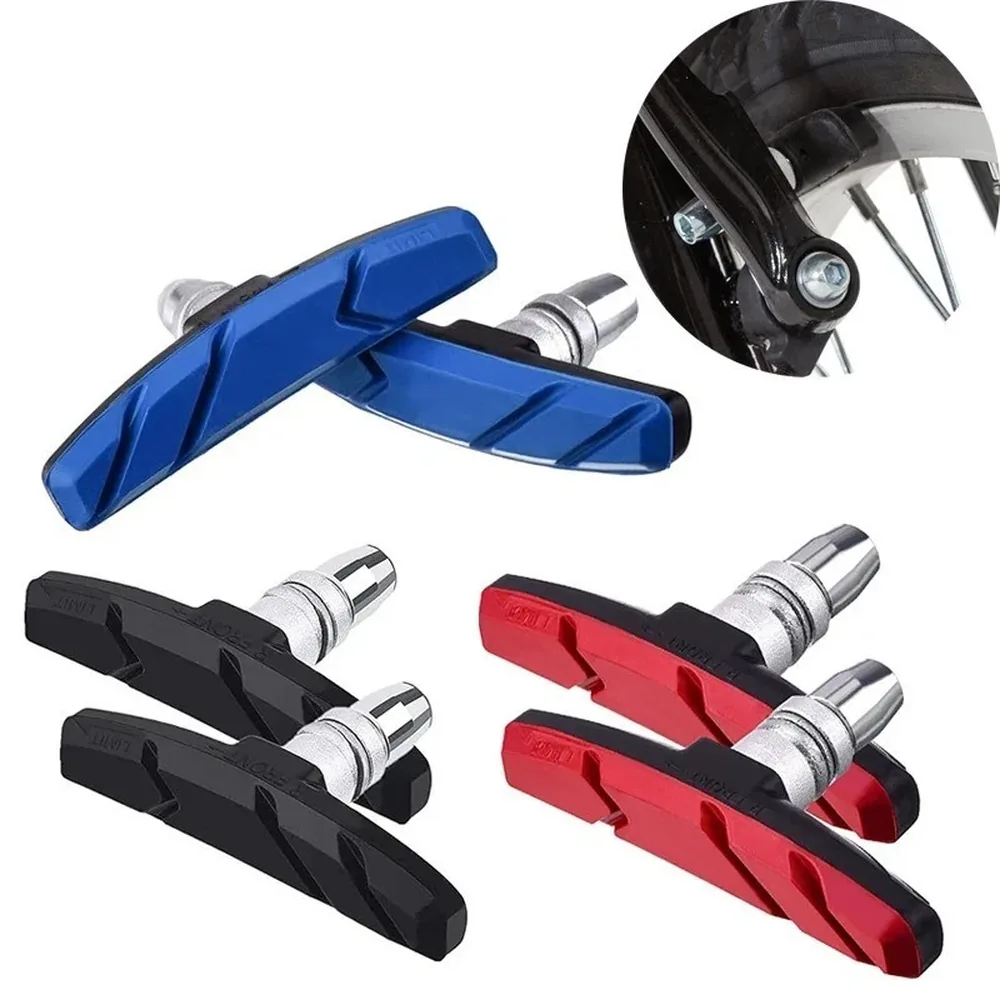

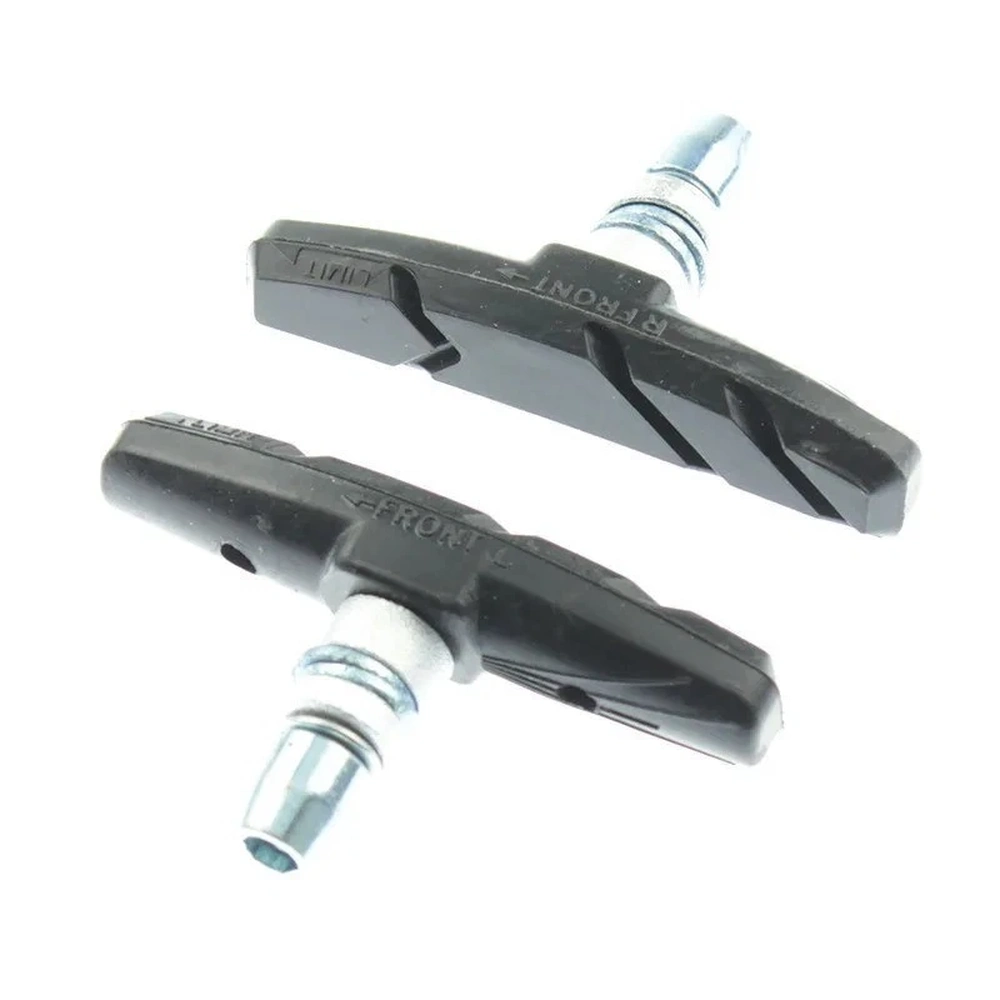
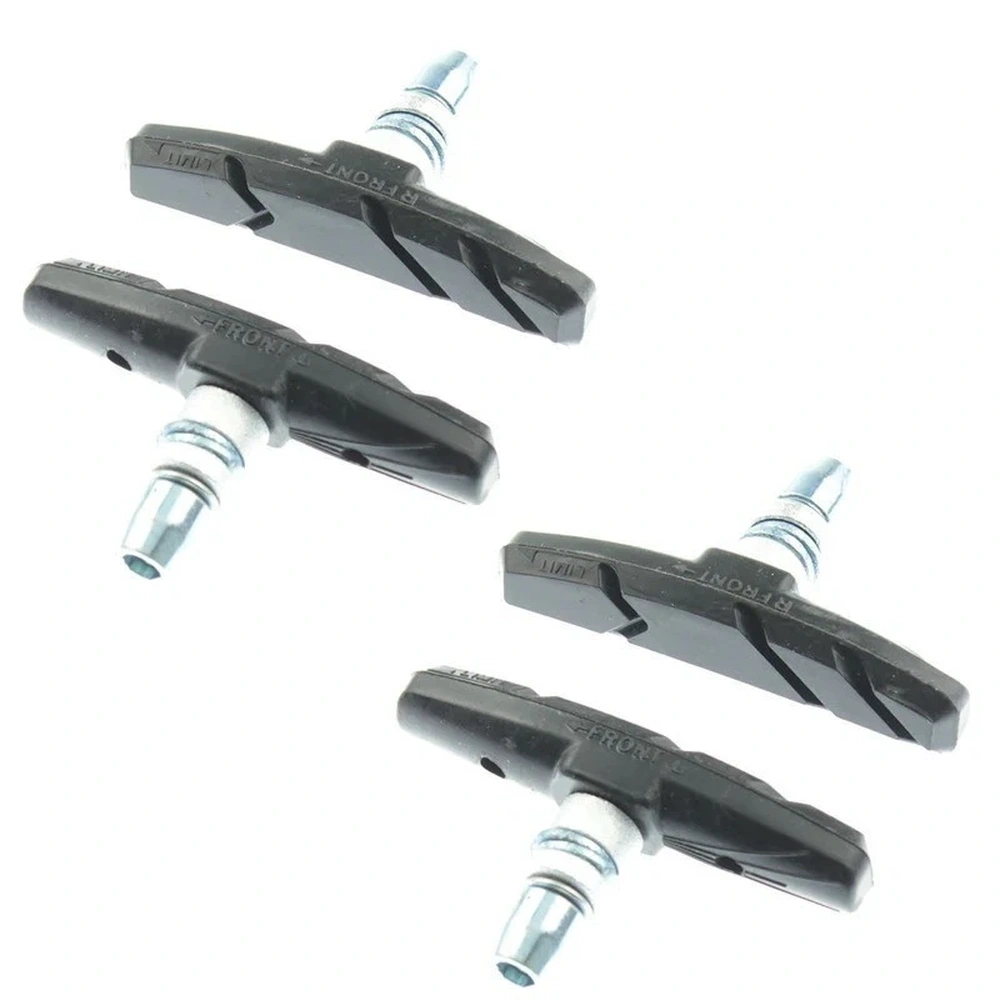
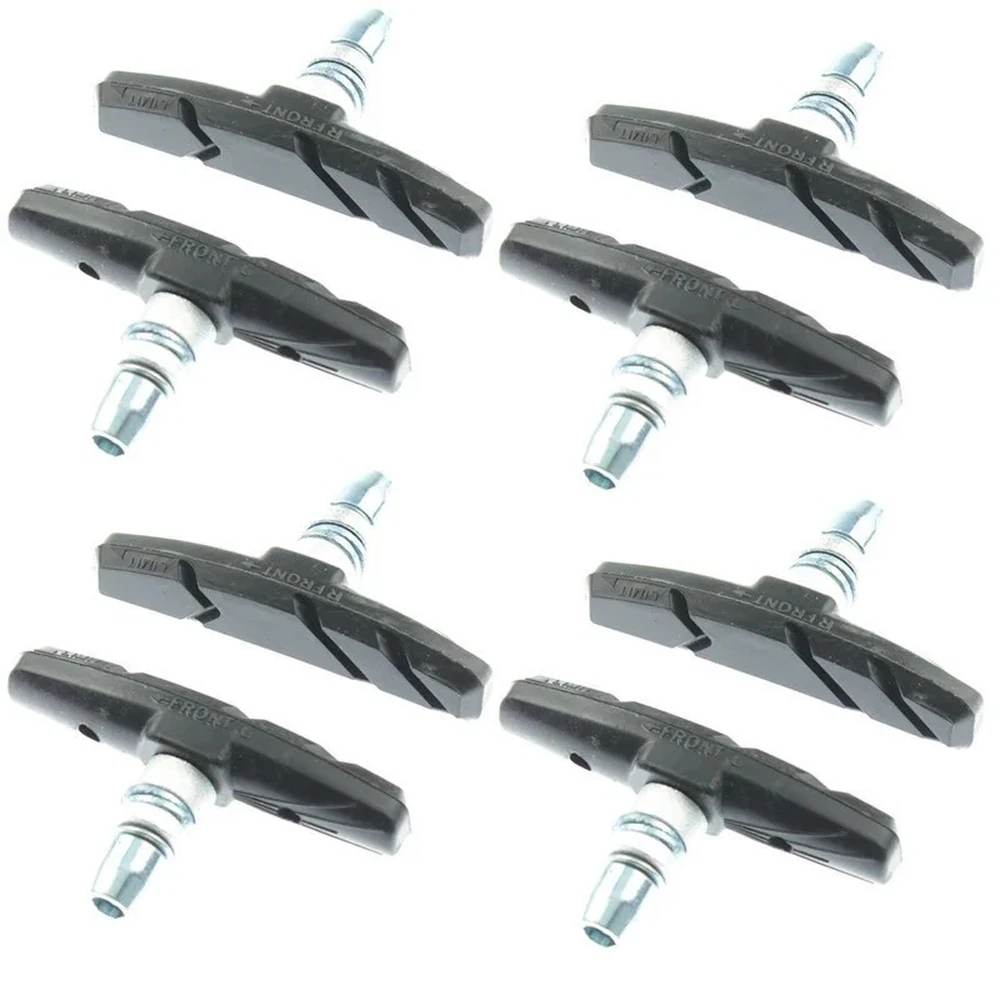
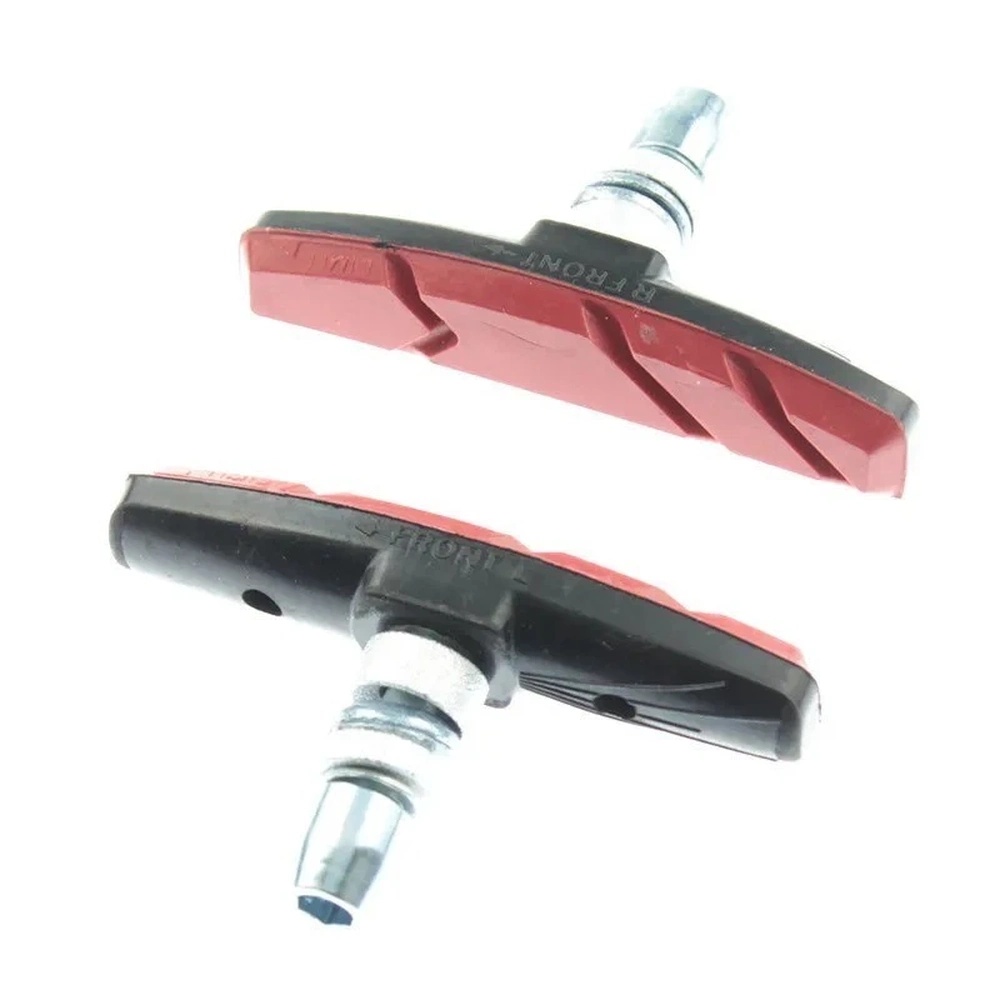
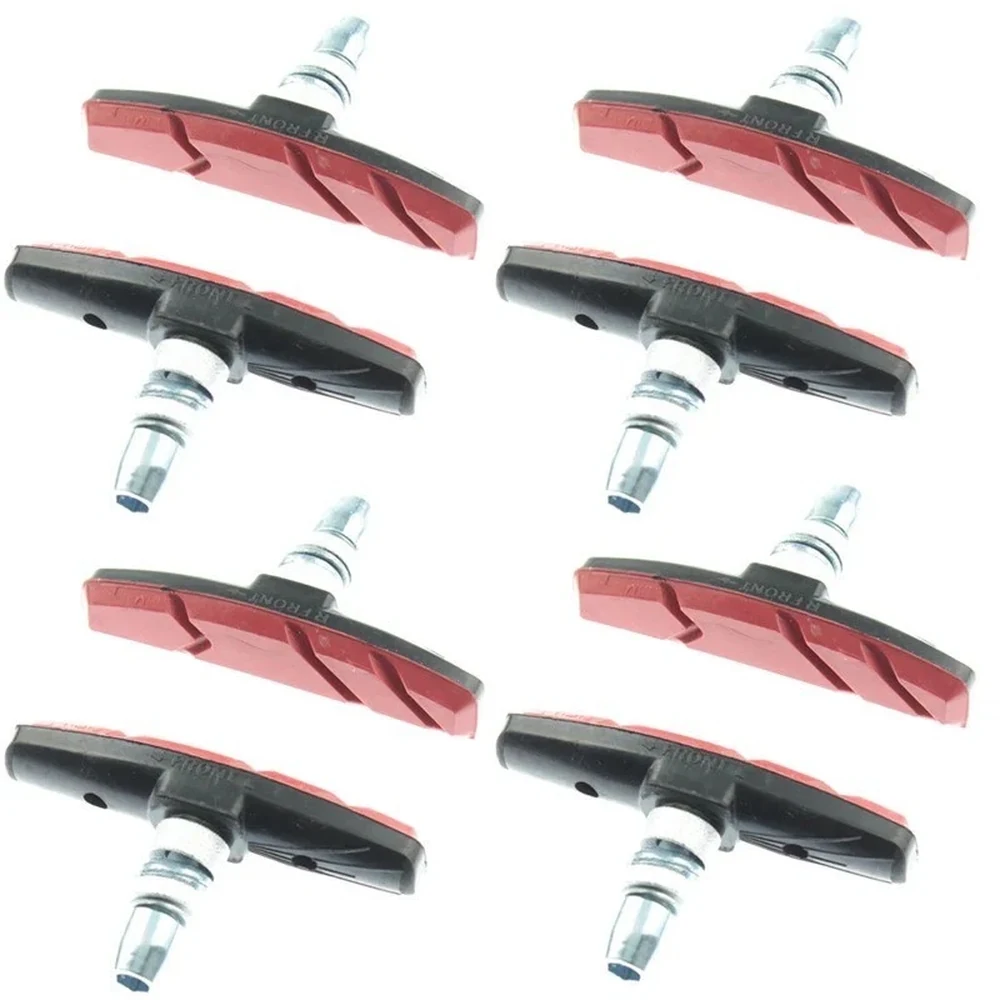

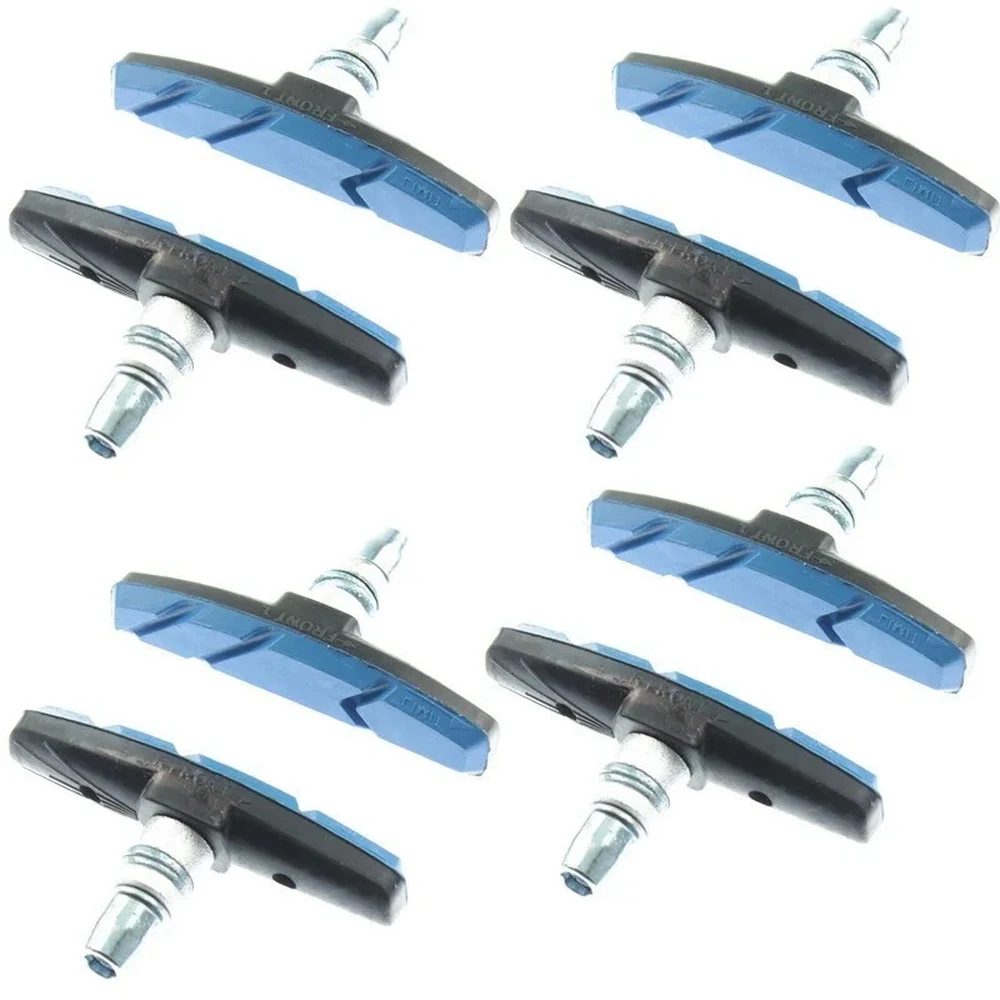
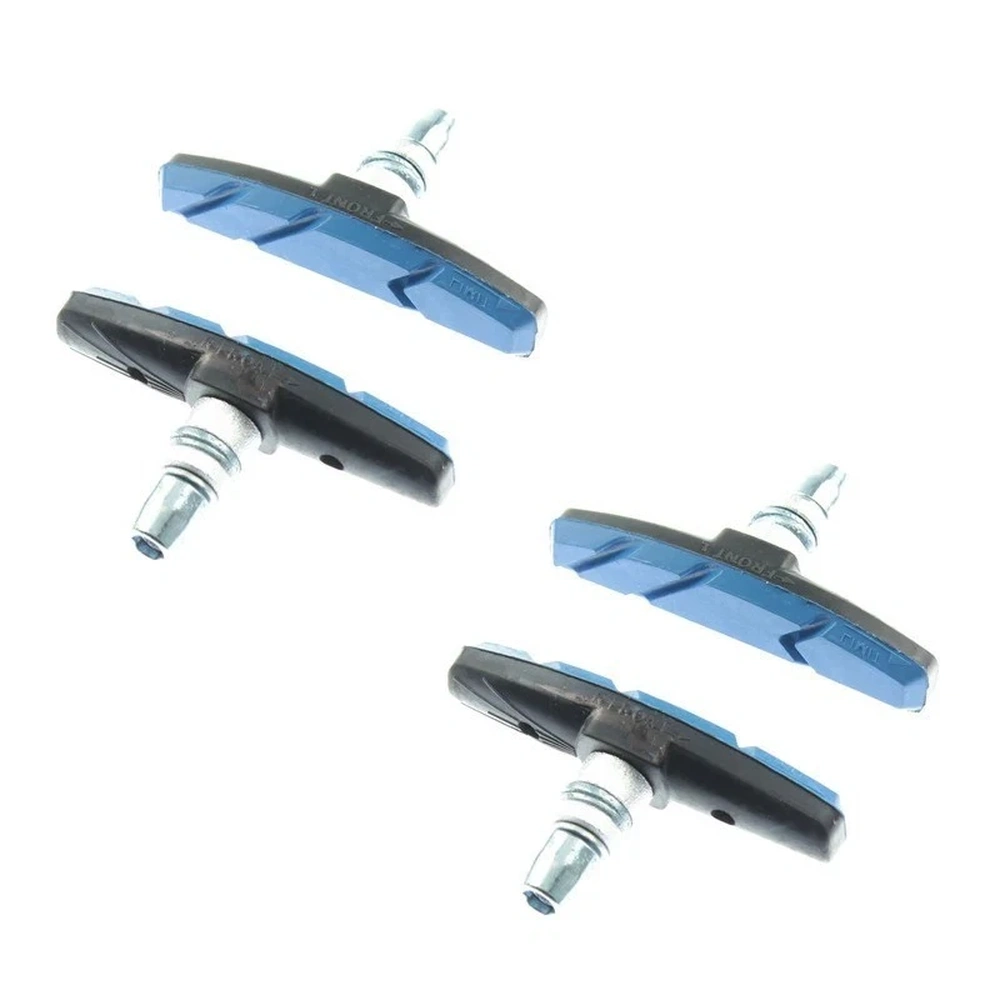
2 Pairs 70mm V-Brake Pads – MTB, Hybrid & Bicycle Rim Brake Blocks UK
Restore reliable braking performance on your bike with these 2 Pairs 70mm V-Brake Blocks, designed for compatible bicycles using V-brake or linear-pull rim brake systems.
Each pack contains 4 brake blocks in total, giving you two pairs for replacing both front and rear brake pads where the same type is used.
The 70mm brake blocks are ideal for everyday cycling, commuting, mountain biking and hybrid bikes with compatible threaded-post V-brakes. The rubber braking surface presses against the wheel rim when the brake lever is applied, creating the friction needed to slow or stop the bicycle.
Current UK 70mm V-brake blocks are widely sold as threaded-post replacement pads for MTB, hybrid and V-brake systems.
Key Features
- Includes 2 pairs / 4 brake blocks
- Approx. 70mm pad length
- Suitable for compatible V-brake systems
- Designed for bicycle rim brakes
- Ideal for MTB and hybrid bikes
- Suitable for everyday commuting bikes
- Threaded-post mounting style
- Rubber friction braking surface
- Suitable for compatible aluminium rims
- Useful replacement for worn brake pads
- Helps restore braking performance
- Easy to replace with basic cycle tools
- Suitable for front and rear use where compatible
- Ideal for maintenance and repair
- Compact and lightweight replacement part
Product Specifications
Product Type: Bicycle V-Brake Blocks / Brake Pads
Quantity: 2 Pairs / 4 Pieces
Pad Length: Approx. 70mm
Brake Type: V-Brake / Linear-Pull Rim Brake
Mounting Type: Threaded Post
Application: Front or Rear, where compatible
Suitable Bikes: MTB / Hybrid / Commuter / General Bicycle Use
Rim Type: Compatible aluminium rims unless supplier specifies otherwise
Pad Material: Rubber Brake Compound
Hardware: Threaded mounting hardware depending on supplied version
Colour: Typically Black
Bike Included: No
A current UK Clarks 70mm V-brake block listing specifies a 70mm integral brake block with threaded post, designed for linear-pull/V-brake systems.
Why Choose These 2 Pairs 70mm V-Brake Pads?
Replace Worn Brake Blocks
Brake pads gradually wear down through friction against the wheel rim.
As they wear, braking may become:
- Less responsive
- Noisier
- Less consistent
- Slower to stop
- More difficult to modulate
Replacing worn pads can help restore more predictable braking performance.
Two Pairs Included
The pack contains 4 individual brake blocks, enough for two pairs.
Depending on your bicycle setup, this can allow you to replace:
- Front and rear brake pads
- Two brakes on one bike
- One pair now and keep one pair as spares
Standard 70mm V-Brake Style
70mm is a common length used for many V-brake shoe designs.
Shimano, for example, currently lists several V-brake shoes around the 70mm size, including S70C and M70-series pads.
Always compare your existing brake blocks before ordering.
Threaded Post Installation
These pads use a threaded mounting post that passes through the V-brake arm.
This style allows the pad position and angle to be adjusted before the fixing nut is tightened.
Correct adjustment helps ensure the full braking surface contacts the rim correctly.
Suitable for MTB Bikes
V-brakes remain common on many:
- Mountain bikes
- Older MTBs
- Entry-level bikes
- Leisure bikes
- Utility bicycles
A 70mm replacement pad can be a straightforward way to service a compatible V-brake system.
Suitable for Hybrid & Commuter Bikes
Many hybrid and commuter bicycles also use linear-pull V-brakes.
These brake blocks can be suitable for daily cycling where the mounting system and rim material match.
Aluminium Rim Compatibility
Brake-pad compound should always match the rim surface.
Shimano currently distinguishes between pads for:
- Aluminium rims
- Machined rims
- Carbon rims
- Ceramic rims
and notes that different compounds are designed for each surface.
For a generic 70mm rubber V-brake pad, the safest listing is:
Suitable for compatible aluminium bicycle rims unless otherwise specified by the supplier.
Do not advertise them for carbon or ceramic rims without confirmed compatibility.
Wet & Dry Braking
Actual wet-weather performance depends heavily on the brake compound.
Shimano’s 70mm V-brake range shows that different compounds can perform very differently in wet and dry conditions. For example, M70T3 is designed for strong wet-weather performance, while other compounds prioritise dry braking, lower noise or lower rim wear.
For a generic pad, avoid claiming “all-weather high performance” unless your supplier confirms the compound specification.
How to Check Compatibility
Before ordering, compare your current brake blocks.
Check:
Brake Type
Your bike should use compatible:
- V-brakes
- Linear-pull brakes
Pad Length
Measure the existing brake block.
This listing is approximately 70mm.
Mounting Style
Check that your existing pad uses a threaded post rather than a smooth cantilever post or cartridge-only insert.
Rim Material
Make sure your rim is compatible with the brake-pad compound.
Clearance
Ensure the replacement pad fits between the brake arm, tyre and rim.
Signs Your Brake Pads May Need Replacing
Check your pads if you notice:
- Brake grooves almost worn away
- Uneven wear
- Cracking
- Hardened rubber
- Reduced stopping performance
- Pad contamination
- Metal hardware approaching the rim
- Persistent squealing despite correct adjustment
- Excessive lever travel
Never continue riding if the brake pad has worn through to metal.
How to Install 70mm V-Brake Blocks
Step 1 – Inspect the Existing Brake
Check the brake arms, cable and rim for damage.
Step 2 – Remove the Old Pad
Use the correct spanner or Allen key to undo the brake-pad fixing hardware.
Step 3 – Position the New Pad
Place the brake block so the friction surface sits flat against the rim braking track.
Step 4 – Keep Clear of the Tyre
The pad must not touch the tyre.
A brake pad rubbing against the tyre can damage the tyre sidewall and create a safety risk.
Step 5 – Check Rim Clearance
Make sure the pad does not extend below the rim braking surface.
Step 6 – Set the Angle
Some riders use a slight toe-in, where the front edge contacts the rim marginally before the rear, to help reduce noise.
Follow your brake manufacturer’s adjustment guidance.
Step 7 – Tighten Securely
Tighten the fixing nut to the brake manufacturer’s recommended torque.
Step 8 – Test the Brake
Operate the brake lever several times and check:
- Both pads move correctly
- Pads contact the rim evenly
- Neither pad touches the tyre
- The wheel rotates freely when the brake is released
Brake Pad Alignment Matters
Incorrect alignment can cause:
- Poor braking
- Uneven pad wear
- Rim damage
- Tyre damage
- Brake squeal
The pad should contact only the intended rim braking surface.
Keep Your Rims Clean
Brake performance can be reduced by contamination.
Keep the rim braking track free from:
- Oil
- Grease
- Polish
- Excessive dirt
- Cleaning residue
Do not apply lubricants anywhere near the braking surface.
Available Sizes
This product does not have flavours.
The relevant specification is Brake Pad Size.
This listing is:
- 70mm V-Brake Blocks
Do not list other sizes unless they are available as actual product variations.
Available Quantities
This listing contains:
- 2 Pairs
- 4 Individual Brake Blocks
Make this clear in the WooCommerce product page so customers do not mistake “2 pairs” for two individual pads.
Available Colours
Most V-brake blocks in this category are:
- Black
Some manufacturers use coloured compounds, but only list the colour supplied with your actual stock.
What’s Included?
Each order includes:
- 4 x 70mm V-Brake Blocks
- Equivalent to 2 pairs
Mounting washers and nuts may be included depending on the supplied version.
Brake arms, cables, bicycle and tools are not included unless specifically stated.
Safety Information
Brakes are a safety-critical bicycle component.
- Confirm compatibility before installation.
- Use only with the correct rim type.
- Do not use generic aluminium-rim pads on carbon or ceramic rims unless specifically approved.
- Make sure each pad contacts only the rim braking surface.
- Never allow the pad to rub against the tyre.
- Tighten mounting hardware securely.
- Follow the brake manufacturer’s torque specifications.
- Replace pads that are cracked, contaminated or excessively worn.
- Keep oil and grease away from the pads and rim.
- Check brake operation before every ride after installation.
- Test braking at low speed before normal use.
- Recheck alignment after the first few rides.
- Replace damaged brake cables or components at the same time where required.
- If you are unsure about installation or adjustment, use a qualified bicycle mechanic.
Frequently Asked Questions
How many brake pads are included?
The pack contains 2 pairs, which means 4 individual brake blocks.
How long are the pads?
They are approximately 70mm long.
Are these V-brake pads?
Yes.
They are designed for compatible V-brake / linear-pull rim brake systems.
Do they fit mountain bikes?
Yes, many mountain bikes use 70mm threaded-post V-brake blocks.
Compatibility should still be checked before purchase.
Are they suitable for hybrid bikes?
Yes, provided the bike uses compatible V-brakes.
Can I use them on the front and rear?
Yes, where both brakes use the same compatible pad design.
Are these suitable for aluminium rims?
Yes, provided your supplied compound is specified for aluminium rims.
Standard Shimano 70mm V-brake shoes are commonly offered for aluminium rims.
Can they be used with carbon rims?
Do not use them on carbon rims unless specifically approved.
Carbon rims require a compatible brake compound.
Can they be used with ceramic rims?
Only if the pad is specifically designed for ceramic rims.
Shimano separately identifies ceramic-specific brake shoes.
What does threaded post mean?
It means the brake block has a threaded metal shaft used to attach and adjust the pad on the brake arm.
Are these cartridge brake pads?
Not necessarily.
A standard integral 70mm V-brake block combines the rubber pad and mounting post as one replacement unit.
Current Clarks 70mm threaded blocks are listed as integral blocks rather than cartridge inserts.
How do I know when my brake pads are worn?
Inspect the wear grooves and thickness.
Replace them before the braking material wears completely away.
Why are my brakes squeaking?
Possible causes include:
- Dirty rims
- Contaminated pads
- Incorrect alignment
- Pad compound
- Lack of toe-in
- Worn pads
Will new pads improve braking?
Fresh, correctly fitted pads can restore performance if the old pads are worn or hardened.
The rest of the brake system must also be in good condition.
Can I install them myself?
Yes, if you are comfortable adjusting bicycle brakes.
Because brakes are safety-critical, use a qualified cycle mechanic if you are unsure.
Do I need new cables when changing pads?
Not necessarily.
However, inspect the brake cables and housings and replace them if they are rusty, frayed, damaged or operating poorly.
Should brake pads touch the tyre?
No.
The pads must contact only the rim braking surface.
Can I put oil on the brake pads to stop squeaking?
No.
Never apply oil or grease to bicycle braking surfaces.
Are these suitable for disc brakes?
No.
These are rim brake blocks, not disc brake pads.

Reviews
There are no reviews yet.