
4PCS Ergonomic Pencil Grips for Children – Handwriting Training Pen Holders UK
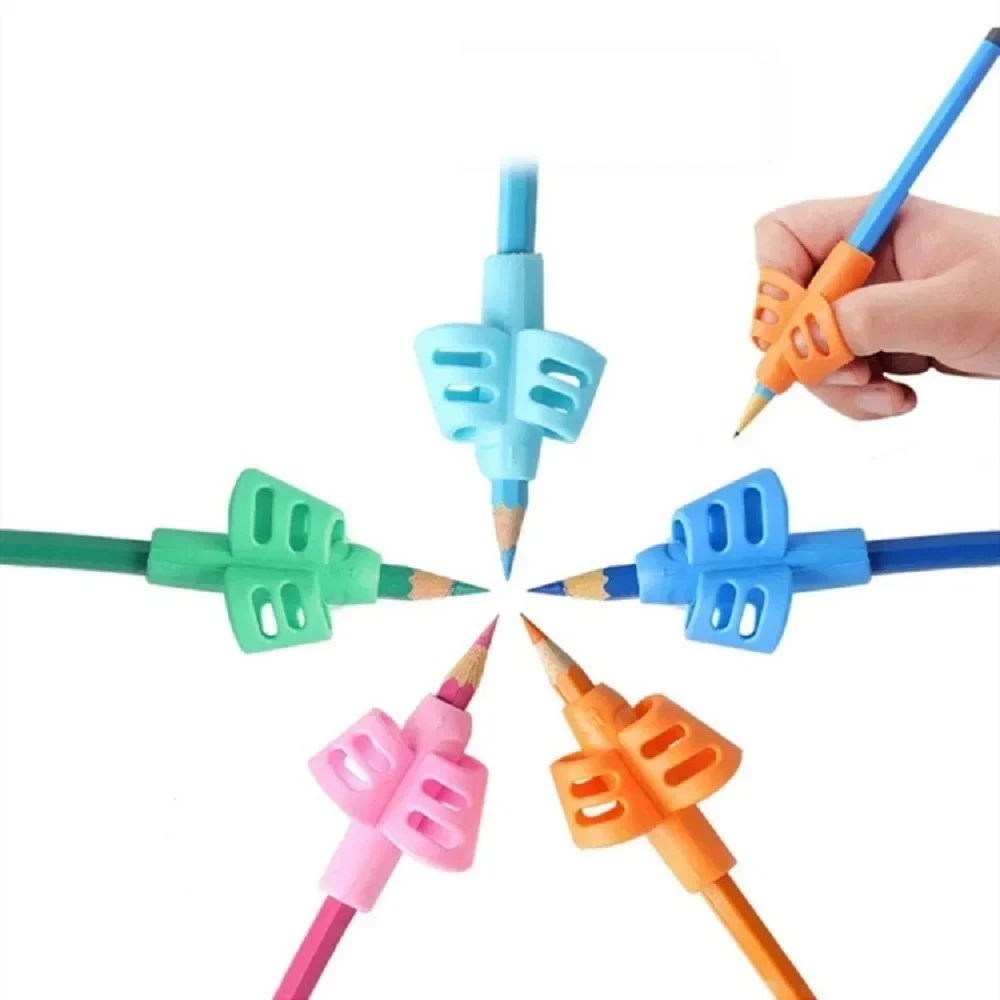
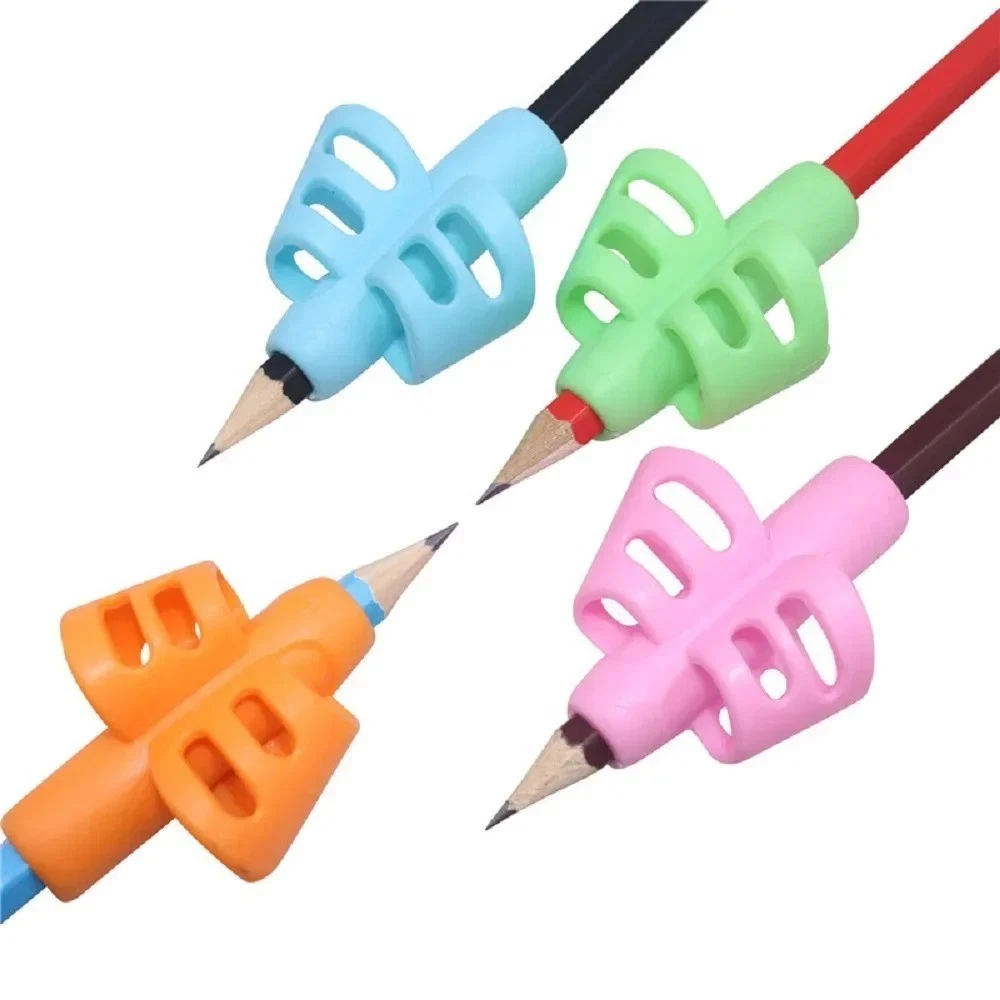
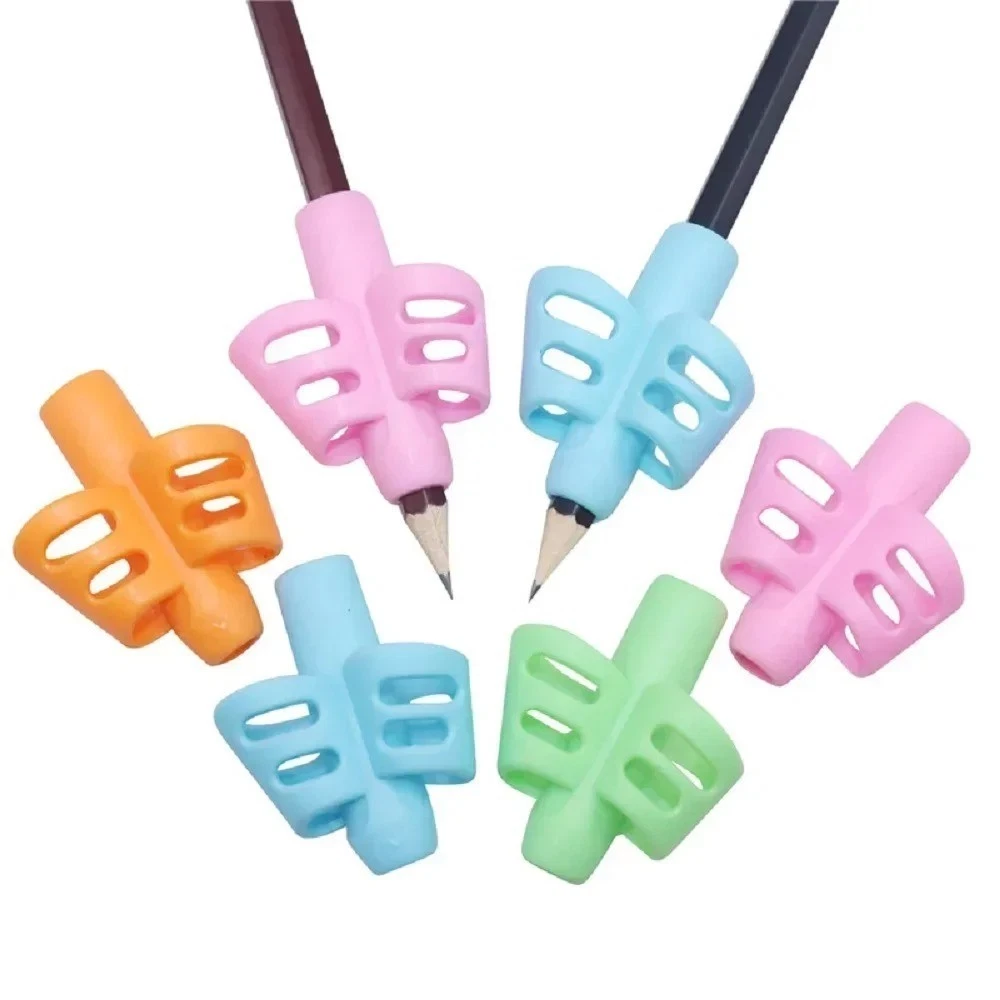
Make handwriting practice more comfortable with this 4-piece set of ergonomic pencil grips for children, designed to help support finger positioning and make pencils or pens easier to hold.
These soft grip aids slide onto compatible writing tools and create a wider, more comfortable surface for the fingers. Depending on the exact shape supplied, they can help guide the thumb, index finger and middle finger into a more functional writing position.
Pencil grips are commonly used by parents, teachers and occupational-therapy teams as one option for children who find handwriting tiring, uncomfortable or difficult to control. NHS guidance specifically lists pencil grips among the tools that can help some children hold a pencil or pen more easily and reduce discomfort during writing.
With four grips included, the set is practical for home, school, homework, drawing and handwriting practice.
Key Features
- Pack of 4 pencil grips
- Designed for children learning to write
- Helps support comfortable finger positioning
- Can encourage a tripod-style pencil grasp
- Makes standard pencils easier to hold
- Suitable for compatible pens and pencils
- Soft and comfortable grip surface
- Helps increase the effective width of thin writing tools
- Useful for handwriting practice
- Suitable for drawing and colouring
- Ideal for home and school use
- Lightweight and reusable
- Easy to slide onto compatible writing tools
- Suitable for left- and right-handed use where design allows
- Useful for children who grip pencils very tightly
- Suitable as a classroom or homework accessory
Product Specifications
Product Type: Pencil Grip / Pen Grip / Handwriting Aid
Quantity: 4 Pieces
Use: Handwriting / Drawing / Pencil Control
Material: Silicone / Rubber / Soft Polymer depending on supplier version
Fit: Push-On / Slide-On
Suitable For: Children / Students / Handwriting Practice
Compatible Tools: Standard Pencils / Selected Pens / Crayons depending on barrel diameter
Handedness: Left and Right Hand where design is symmetrical
Reusable: Yes
Washable: Usually yes, depending on material
Colour: Assorted or selected colours depending on stock
Age Suitability: Follow supplier packaging and small-parts guidance
Exact dimensions, material and age recommendation should follow your actual supplier specification.
Why Choose These 4PCS Pencil Grips for Children?
Helps Make Pencils Easier to Hold
Some children find standard thin pencils uncomfortable or difficult to control.
A pencil grip makes the writing tool wider and can provide a softer surface for the fingers.
NHS occupational-therapy guidance suggests trying thicker, triangular, ribbed or ergonomic writing tools when a child finds holding a pencil uncomfortable.
Supports Finger Positioning
Many ergonomic pencil grips are shaped to encourage the thumb, index finger and middle finger to hold the pencil in a more functional position.
This is often referred to as a tripod grasp.
Children’s occupational-therapy guidance describes the tripod grasp as one effective way to hold a pencil and specifically recommends shaped grips where finger placement is difficult.
Can Improve Writing Comfort
Some children press very hard when writing or become tired quickly.
Soft pencil grips may help reduce pressure on the fingers and make longer writing sessions feel more comfortable.
NHS resources note that soft or wider grips can be useful for children who experience hand or finger discomfort when writing.
Useful for Handwriting Practice
The grips can be used during:
- Letter formation
- Spelling practice
- Homework
- Classroom writing
- Drawing
- Colouring
- Number practice
- Fine-motor activities
They are a simple accessory that can be introduced gradually without changing the child’s entire writing routine.
4 Grips in One Pack
Each set contains 4 individual pencil grips.
This gives you enough to:
- Keep one at school
- Keep one at home
- Use with different pencils
- Keep spare grips
- Share between compatible writing tools
Suitable for Pens & Pencils
Pencil grips can fit many common writing tools, including:
- Standard wooden pencils
- Mechanical pencils
- Ballpoint pens
- Gel pens
- Crayons
- Colouring pencils
Compatibility depends on the barrel diameter.
NHS guidance notes that pencil grips can be used with many different pencils and pens, although individual grip sizes vary.
Helpful for Children with a Tight Pencil Grip
Some children hold a pencil with excessive force.
This can contribute to:
- Finger fatigue
- Hand ache
- Reduced writing endurance
- Uncomfortable pressure
Soft ergonomic grips can create a larger, cushioned surface and may encourage a more relaxed hold. NHS therapy guidance specifically notes that soft grips can help children who hold pencils tightly and experience hand or finger ache.
Left- & Right-Handed Use
Many symmetrical pencil grips can be used by both left- and right-handed children.
Some specialised grips have separate finger positions marked for each hand.
If your supplied grips are symmetrical, you can safely list them as suitable for both hands.
If they have specific left/right markings, include that detail in the variation or instructions.
Available Colours
This product does not have flavours.
The correct variation section is Available Colours.
Common pencil grip colours may include:
- Blue
- Green
- Pink
- Purple
- Yellow
- Orange
- Red
Many sets are supplied in assorted colours.
Only list the colours included in your actual stock.
Different Grip Shapes
Depending on your supplier, the 4-piece set may include one or more grip styles such as:
- Triangular grip
- Ergonomic finger-position grip
- Soft cylindrical grip
- Cross-guard grip
- Three-finger training grip
Different shapes suit different children.
NHS occupational-therapy resources specifically describe several grip types, including triangular, cross-guard, Stetro and Ultra grips, because no single design works best for every child.
How to Use a Pencil Grip
Step 1 – Choose a Compatible Pencil
Select a pencil or pen with a barrel that fits securely through the grip.
Step 2 – Slide the Grip On
Push or twist the grip gently onto the writing tool.
Do not force it onto a barrel that is too thick.
Step 3 – Position Near the Tip
Place it low enough on the pencil for comfortable finger placement while leaving enough space above the sharpened point.
Step 4 – Position the Fingers
For a tripod-style grip:
- Thumb rests on one side
- Index finger rests on the opposite side
- Middle finger supports underneath
Step 5 – Let the Child Practise
Allow time to get used to the new feel.
Children’s occupational-therapy guidance notes that a new grip can take time to become familiar.
Do Pencil Grips Improve Handwriting?
They can help some children, but they do not guarantee neater handwriting.
Handwriting also depends on:
- Fine motor control
- Posture
- Letter formation
- Pencil pressure
- Visual skills
- Practice
- Comfort
- Writing speed
NHS guidance emphasises that pencil grip is only one part of handwriting development.
For WooCommerce, safer wording is:
Designed to support comfortable pencil control and handwriting practice.
rather than:
Guaranteed to improve handwriting.
When Is a Pencil Grip Useful?
A grip may be worth trying if a child:
- Finds pencils uncomfortable
- Grips very tightly
- Tires quickly when writing
- Struggles to position fingers
- Finds thin pencils hard to hold
- Complains of hand or finger discomfort
- Needs more control during writing
If handwriting difficulties are persistent or significant, parents may wish to speak with the child’s school, SENCO or occupational-therapy service.
Should Every Child Change Their Pencil Grip?
No.
A pencil hold does not need to look perfect if writing is comfortable, legible and efficient.
NHS guidance notes that different functional grasps can work well and that trying to change an established grip in older children may not always be helpful.
Pencil grips are most useful when the current grasp is causing discomfort or affecting writing.
Suitable for School & Home
These grips are practical for:
Classroom Use
Useful during handwriting lessons, spelling activities and written exercises.
Homework
Can help make longer writing tasks more comfortable.
Drawing
Suitable for pencils used in sketching and colouring.
Home Learning
Useful for letter, number and fine-motor practice.
Care Instructions
If your grips are silicone or washable rubber:
- Remove them from the pencil.
- Wash gently with mild soap and water.
- Rinse thoroughly.
- Allow to air dry.
- Refit only when dry.
Avoid excessive heat unless your supplier specifically confirms heat resistance.
What’s Included?
Each pack includes:
- 4 x Pencil Grips
Pencils, pens, books and other stationery shown in product images are not included unless specifically stated.
Safety Information
- Use only as a writing accessory.
- Follow the manufacturer’s age recommendation.
- Small pencil grips may present a choking hazard to young children.
- Adult supervision is recommended for younger users.
- Do not allow children to chew or swallow the grips.
- Inspect regularly for tears or damage.
- Discard if the material splits or small pieces become loose.
- Do not force onto an incompatible pen or pencil.
- Remove if it causes finger pain, numbness or discomfort.
- A pencil grip is not a medical treatment.
- Persistent hand pain or significant handwriting difficulty should be discussed with an appropriate professional.
- Keep away from excessive heat and open flames.
- Keep packaging materials away from young children.
Frequently Asked Questions
How many pencil grips are included?
The pack contains 4 individual pencil grips.
What are pencil grips used for?
They are writing aids designed to make pens or pencils easier and more comfortable to hold.
Can pencil grips help children learn to write?
They can support finger positioning and pencil control during handwriting practice.
NHS guidance recommends pencil grips as one possible aid for children who find holding a pencil difficult.
Do they guarantee better handwriting?
No.
Handwriting depends on many different skills, so pencil grips should be described as a support tool rather than a guaranteed solution.
What is a tripod grip?
A tripod grip uses the thumb, index finger and middle finger to control the pencil.
It is one commonly recommended functional writing grasp.
Are they suitable for left-handed children?
Yes, if the supplied grip design is symmetrical or specifically designed for both hands.
Are they suitable for right-handed children?
Yes.
Most standard ergonomic pencil grips can be used by right-handed children.
Will they fit standard pencils?
Usually yes, provided the internal hole matches the pencil barrel diameter.
Can they fit pens?
Many pencil grips also fit compatible pens. NHS guidance notes that grips can be used with many pencils and pens.
Can they be used on crayons?
Possibly, if the crayon diameter fits the grip.
Are they soft?
Most children’s pencil grips in this category are made from soft rubber, silicone or foam-style material.
Confirm the exact material from your supplier.
Are they washable?
Silicone and rubber versions are generally washable.
Follow the care information supplied with your exact product.
Can they help with hand fatigue?
A wider, softer grip may make writing more comfortable for some children who experience hand or finger fatigue.
Can they help children who press too hard?
They may encourage a more relaxed grip, particularly when the child holds the pencil very tightly.
Should children use them all day?
They can be used during normal writing if comfortable, but children should have breaks during long writing tasks.
NHS guidance also recommends comfortable writing tools and rest breaks for children who experience hand fatigue.
Are pencil grips suitable for older children?
Yes in some cases, but NHS guidance notes that changing an established grip after around age 9–10 can be difficult. Comfort and function may be more important than forcing a different grip.
Are they suitable for adults?
Potentially yes, if the grip fits the writing tool and feels comfortable.
Can a pencil grip treat handwriting problems?
No.
It is a simple writing aid, not a medical treatment.
What if my child still struggles with handwriting?
Speak to their teacher or school SENCO first if difficulties are persistent. Further occupational-therapy advice may be appropriate depending on the child’s needs.

Reviews
There are no reviews yet.